Stop aluminium 2011 to gatunek aluminium z serii 2000 przeznaczony do obróbki skrawaniem, stopowy głównie z miedzią, ołowiem i bizmutem. Znany ze znakomitej skrawalności — często ocenianej na 90% lub więcej w skali skrawalności aluminium — stop 2011 wytwarza krótkie, kruche wióry oraz zapewnia doskonałą jakość powierzchni w operacjach na automatach śrubowych i obrabiarkach CNC. Firma Linsy dostarcza pręty, druty i rury ze stopu 2011 w stanach T3, T4, T6 i T8, z możliwością dostosowania średnic, długości cięcia oraz dostępnymi certyfikatami badań materiałowych (MTC).
Dostępne formularze: pręt okrągły / pręt sześciokątny / drut / rura
Typowe temperamenty: T3 / T4 / T6 / T8
Wsparcie w zakresie przetwarzania: Obróbka CNC / toczenie precyzyjne / cięcie na wymiar / wykańczanie powierzchni
Dokumenty dotyczące jakości: Raport MTC dołączany do każdego zamówienia, badania SGS na życzenie
Stop aluminium 2011 (UNS A92011) to obrabiany plastycznie gatunek aluminium z serii 2000, zaprojektowany specjalnie do zastosowań z obróbką skrawaniem o wysokiej wydajności. Stopowy głównie z miedzią (Cu), ołowiem (Pb) i bizmutem (Bi), stop 2011 zapewnia najlepszą skrawalność spośród wszystkich standardowych gatunków aluminium — zwykle ocenianą powyżej 90% w skali skrawalności aluminium. Oznacza to, że obrabiany jest z większymi prędkościami, przy mniejszym zużyciu narzędzi, i wytwarza czyste, krótkie, kruche wióry, które łatwo oddzielają się podczas cięcia, co czyni go preferowanym wyborem do wielkoseryjnych operacji na automatach śrubowych i tokarkach CNC.
Stop 2011 jest zwykle dostarczany w stanie T3 (obróbka na zimno i naturalne starzenie), ale stany T4, T6 i T8 są również dostępne w celu uzyskania wyższej wytrzymałości lub określonych właściwości skrawalności. Podstawowe formy produktu to pręt, drut i rura — kształty najczęściej stosowane do elementów złącznych, złączy i precyzyjnych części toczonych.
Firma Linsy dostarcza aluminium 2011 w standardowych formach pręta, drutu i rury, najczęściej wymaganych przez nabywców zajmujących się precyzyjną obróbką skrawaniem. Określone średnice i długości mogą być dostosowane do wymagań danego zlecenia.
| Formularz | Temperament | Średnica (mm) | Długość (mm) |
|---|---|---|---|
| Pręt okrągły 2011 | T3, T4, T6, T8 | 3 – 200 | 1000 – 6000 |
| Pręt sześciokątny 2011 | T3, T4, T6, T8 | 6 – 60 | 1000 – 6000 |
| Formularz | Temperament | Średnica (mm) | Masa cewki |
|---|---|---|---|
| Drut 2011 | T3, T4, T6, T8 | 0.8 – 12.0 | Co najmniej 50 kg |
| Formularz | Temperament | Średnica zewnętrzna (mm) | Grubość ścianki (mm) | Długość (mm) |
|---|---|---|---|---|
| Rura 2011 (bezszwowa) | T3, T4, T6, T8 | 6 – 150 | 1 – 20 | 1000 – 6000 |
| System standardowy | Oznaczenie |
|---|---|
| UNS | A92011 |
| EN AW | EN AW-2011 / AlCu6BiPb |
| ISO | Al Cu6BiPb |
| AA / SAE | 2011 |
| JIS (Japonia) | A2011 |
| GB / chiński | 2011 |
Powszechnie stosowane normy:
Typowe zakresy składu chemicznego wg ASTM B210 / B211 (udział wagowy %):
| Element | Min % | Maks. % |
|---|---|---|
| Miedź (Cu) | 5.00 | 6.00 |
| Ołów (Pb) | 0.20 | 0.60 |
| Bizmut (Bi) | 0.20 | 0.60 |
| Krzem (Si) | — | 0.40 |
| Żelazo (Fe) | — | 0.70 |
| Cynk (Zn) | — | 0.30 |
| Inni, każdy | — | 0.05 |
| Pozostałe, ogółem | — | 0.15 |
| Aluminium (Al) | Reszta (ok. 92,0 – 94,0) | |
Typowe wartości dla aluminium 2011 w powszechnie stosowanych stanach. Wartości pochodzą z normy ASTM B211 i opublikowanych danych branżowych. Rzeczywiste właściwości zależą od formy produktu i grubości przekroju.
| Nieruchomość | T3 | T4 | T6 | T8 |
|---|---|---|---|---|
| Wytrzymałość na rozciąganie | ≥ 310 MPa | ≥ 280 MPa | ≥ 345 MPa | ≥ 380 MPa |
| Granica plastyczności (0,2%) | ≥ 240 MPa | ≥ 205 MPa | ≥ 275 MPa | ≥ 310 MPa |
| Wydłużenie przy zerwaniu | 10 – 18% | 12 – 18% | 8 – 14% | 6 – 12% |
| Wytrzymałość na ścinanie | ~ 190 MPa | ~ 170 MPa | ~ 210 MPa | ~ 230 MPa |
| Twardość (Brinell) | ~ 95 | ~ 85 | ~ 105 | ~ 115 |
| Moduł sprężystości | 70 GPa (10 200 ksi) | |||
Każdy stan oferuje inną równowagę między skrawalnością, wytrzymałością i podatnością do formowania. Wszystkie stany z rodziny 2011 zachowują wyjątkowe właściwości łamania wiórów, ale końcowe właściwości mechaniczne różnią się w zależności od stanu.
| Temperament | Najlepsze dla | Uwagi |
|---|---|---|
| 2011-T3 | Uniwersalne prace na automatach śrubowych i tokarkach CNC | Najczęściej dostarczany stan. Obróbka na zimno i naturalne starzenie. Dobra równowaga między skrawalnością a umiarkowaną wytrzymałością. |
| 2011-T4 | Części wymagające umiarkowanego formowania na zimno przed końcową obróbką skrawaniem | Przesycanie i naturalne starzenie. Nieco niższa wytrzymałość niż w stanie T3, ale lepsze właściwości formowania. |
| 2011-T6 | Części wymagające wyższej wytrzymałości z zachowaniem właściwości swobodnej obróbki | Przesycanie i sztuczne starzenie. Wysoka wytrzymałość przy nieco niższej skrawalności w porównaniu do stanu T3. |
| 2011-T8 | Wysokowytrzymałe części precyzyjne, które muszą zachować stabilność wymiarową | Przesycanie, obróbka na zimno i sztuczne starzenie. Najwyższa wytrzymałość, nieco niższa skrawalność niż w stanie T3. |
Stop 2011 to najwyżej oceniany powszechnie stosowany stop aluminium pod względem skrawalności, zwykle uzyskujący wynik 90% lub więcej w skali skrawalności (przy czym 6061-T6 osiąga około 50%). Dodatki ołowiu i bizmutu sprzyjają czystemu formowaniu wiórów — wióry są krótkie i kruche, konsekwentnie oddzielające się podczas toczenia, wiercenia i frezowania. Oznacza to większe prędkości posuwu, mniejsze zużycie narzędzi i mniej przestojów w porównaniu do obróbki standardowych gatunków aluminium, takich jak 6061 czy 2024.
Ponieważ stop 2011 wytwarza czyste, niepasemkowe wióry i generuje niskie tarcie narzędzi podczas cięcia, gotowe części zwykle osiągają wysoką jakość powierzchni bezpośrednio z wrzeciona obrabiarki. Zmniejsza to lub eliminuje potrzebę operacji wykańczających, co czyni go opłacalnym w produkcji wielkoseryjnej.
W stanach T6 i T8 stop 2011 oferuje wytrzymałość na rozciąganie powyżej 345–380 MPa — porównywalną ze średniowytrzymałymi stopami z serii 6000 — przy zachowaniu charakteru swobodnej obróbki. Dla porównania, stop 2011 w stanie T3 lub T6 jest około 30–40% mocniejszy niż 6061 w zastosowaniach obróbczych z uwzględnieniem skrawalności, ponieważ zaoszczędzony czas przekłada się bezpośrednio na wydajność.
Stop 2011 zawiera ołów (0,2–0,6%) jako celowy dodatek stopowy wspomagający skrawalność. W zastosowaniach objętych ograniczeniami dyrektywy RoHS, w tym dyrektywy ELV UE (pojazdy wycofane z eksploatacji) lub elementach mających kontakt z wodą pitną, stop 2011 może być nieodpowiedni. W przypadku zastosowań swobodnej obróbki zgodnych z RoHS należy rozważyć aluminium 6026 lub 6262 jako alternatywy bezołowiowe — w celu uzyskania wskazówek prosimy o kontakt z firmą Linsy.
Stop 2011 jest stosowany niemal wyłącznie do części wytwarzanych na automatach śrubowych, tokarkach CNC i tokarkach typu szwajcarskiego. Jego obszar zastosowań jest określony przez rolę gatunku o wysokiej wydajności obróbczej:
Stop 2011 jest prawdopodobnie najłatwiejszym do obróbki stopem aluminium, jednak kilka praktycznych wskazówek pomoże uzyskać najlepsze rezultaty:
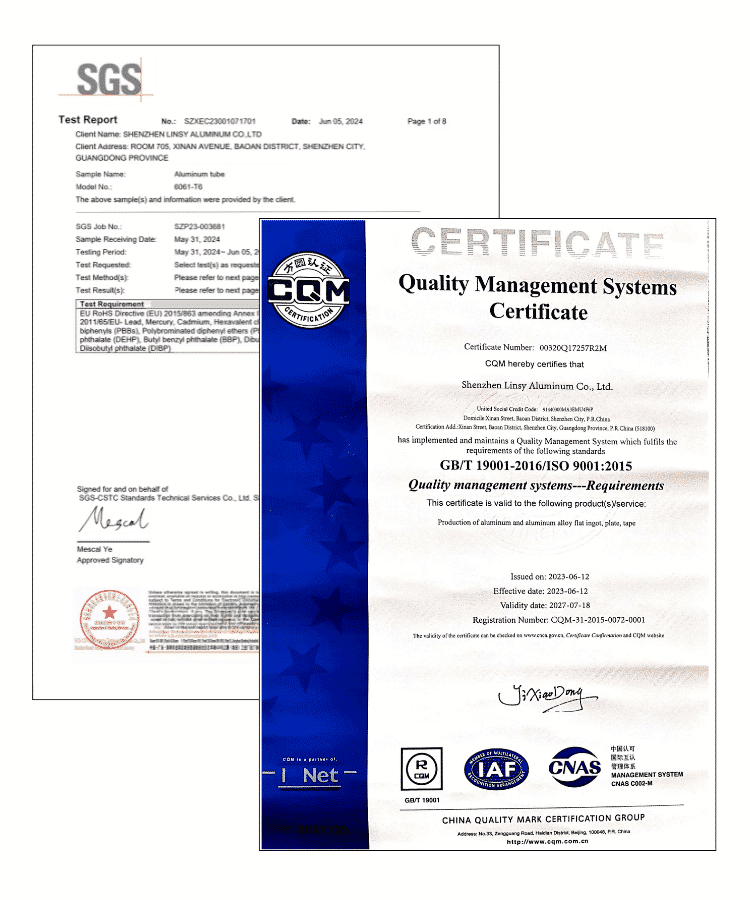
Kontrola jakości w firmie Linsy obejmuje cały proces — od wyboru surowców po kontrolę gotowego produktu. Do każdego zamówienia dołączany jest certyfikat badania materiału (MTC) wydany przez firmę Linsy Aluminum po zakończeniu produkcji, zawierający wyniki badań składu chemicznego i właściwości mechanicznych konkretnej partii.
Dla klientów, którzy wymagają weryfikacji przez niezależną jednostkę, raporty z badań SGS są dostępne na żądanie za dodatkową opłatą za badania. Dostępne raporty SGS obejmują:
Linsy Aluminum to fabryka aluminium z Shenzhen z ponad 20-letnim doświadczeniem branżowym, dostarczająca stop 2011 oraz inne stopy z serii 1000–8000 klientom z branż: inżynierii ogólnej, motoryzacji, elektroniki, produkcji oraz obróbki precyzyjnej.
Dla Twoich zamówień stopu 2011 oznacza to:
Skorzystaj z poniższych przewodników, aby w pełni wykorzystać możliwości aluminium 2011:
Stop 2011 jest przeznaczony do szybkiej obróbki z doskonałą skrawalnością na automatach tokarskich, tokarkach CNC oraz maszynach typu szwajcarskiego. Jego głównym rynkiem zbytu są precyzyjne elementy toczone: łączniki, dystanse, tuleje, złącza elektryczne oraz drobne części gwintowane produkowane w dużych ilościach.
Termin “doskonała skrawalność” odnosi się do zdolności stopu do obróbki z dużymi prędkościami przy doskonałej kontroli wiórów i niskim zużyciu narzędzi. Dodatki stopowe w postaci ołowiu i bizmutu działają jako łamacze wiórów — tworzą mikroskopijne wtrącenia, które powodują pękanie wiórów na małe kawałki, zamiast tworzenia długich, splątanych wstęg, które mogą blokować maszyny lub rysować części.
Nie. Stop 2011 jest uważany za nienadający się do spawania. Ołów i bizmut, które zapewniają doskonałą skrawalność, powodują również poważne pękanie na gorąco, porowatość i słabe strefy wtopienia podczas spawania. Jeśli potrzebny jest stop o dobrej skrawalności, który można spawać, należy rozważyć stopy 6061 lub 6082. Jeśli potrzebny jest stop o doskonałej skrawalności, który musi być spawany, należy skonsultować się z naszym zespołem — mogą istnieć alternatywne opcje stopowe.
Stop 2011-T3 jest obrabiany na zimno i starzony naturalnie — to najczęściej stosowany stan utwardzenia, oferujący najlepszą równowagę między skrawalnością a wytrzymałością w standardowych pracach na automatach tokarskich. Stop 2011-T6 jest przesycany i starzony sztucznie, co daje wyższą wytrzymałość na rozciąganie i granicę plastyczności (ok. 345+ MPa vs 310+ MPa), ale skrawalność jest nieco niższa niż w przypadku T3. Przy produkcji wielkoseryjnej, gdzie najważniejszy jest czas cyklu, zwykle preferowany jest stan T3. W przypadku części wymagających dodatkowej wytrzymałości mechanicznej po obróbce lepszym wyborem mogą być stany T6 lub T8.
Stop 2011 poddaje się standardowym procesom anodowania, ale jakość powierzchni i jednolitość koloru są zwykle mniej spójne niż w przypadku stopów 6061 lub 6063. Jeśli ważny jest dekoracyjny wygląd po anodowaniu, należy przetestować próbkę przed podjęciem decyzji o zamówieniu ilości produkcyjnych.
Tak, stop 2011 zawiera 0,2–0,6% ołowiu jako celowego dodatku stopowego poprawiającego skrawalność. Oznacza to, że stop 2011 może nie spełniać wymogów dyrektywy RoHS w niektórych zastosowaniach (np. elektronika użytkowa sprzedawana w UE, elementy pojazdów zgodnie z dyrektywą ELV). Jako alternatywy o doskonałej skrawalności zgodne z RoHS powszechnie stosuje się stopy 6026 lub 6262. Skontaktuj się z Linsy w celu uzyskania informacji o dostępności i doradztwa.
Stop 2011 obrabia się znacznie lepiej niż zarówno 2024, jak i 7075. W skali skrawalności aluminium stop 2011 osiąga około 90%, podczas gdy 2024-T3 około 70%, a 7075-T6 około 70%. Jednak stopy 2024 i 7075 są znacznie mocniejszymi stopami konstrukcyjnymi — każdy z nich jest około 1,3–1,5 razy mocniejszy niż 2011-T3. Wybierz stop 2011, gdy skrawalność i wydajność produkcji są priorytetem; wybierz 2024 lub 7075, gdy maksymalna wytrzymałość jest bezwzględnym wymogiem.
Stop 2011 jest zwykle dostarczany w postaci pręta okrągłego, pręta sześciokątnego, drutu oraz rury bez szwu. Nie jest powszechnie produkowany w postaci blachy, płyty lub taśmy, ponieważ przeznaczeniem tego stopu są prace na automatach tokarskich i toczenie. Jeśli Twoje zastosowanie wymaga stopu 2011 w niestandardowej formie, skontaktuj się z Linsy w celu sprawdzenia możliwości.
W przypadku wymiarów niestandardowych lub specyfikacji specjalnych typowy czas realizacji wynosi 10–60 dni, w zależności od stopu, wymiarów, wymagań dotyczących obróbki i złożoności zamówienia. Standardowe specyfikacje dostępne z magazynu mogą zostać wysłane szybciej — skontaktuj się z naszym zespołem w celu uzyskania konkretnej wyceny.
Firma Linsy wspiera produkcję niestandardową z niskim minimalnym zamówieniem (MOQ) dla pozycji ze stopu 2011 niedostępnych w magazynie. MOQ różni się w zależności od formy, rozmiaru i zakresu obróbki; prosimy o przesłanie wymagań, a my potwierdzimy możliwości realizacji.
Każde zamówienie jest wysyłane z świadectwem MTC (Material Test Certificate) wystawionym przez Linsy Aluminum po produkcji. Opcjonalnie dostępne są raporty z badań niezależnej firmy SGS na życzenie klienta, za dodatkową opłatą.
Tak, próbki mogą być zorganizowane dla większości standardowych i niestandardowych specyfikacji. Koszt próbek i czas realizacji zależą od rozmiaru i wymagań przetwarzania.
Firma Linsy realizuje wysyłki na całym świecie, a jej sieć dystrybucji obejmuje Europę, Afrykę Południową, Brazylię, Singapur, Turcję, Japonię, Koreę Południową oraz Azję Południową.
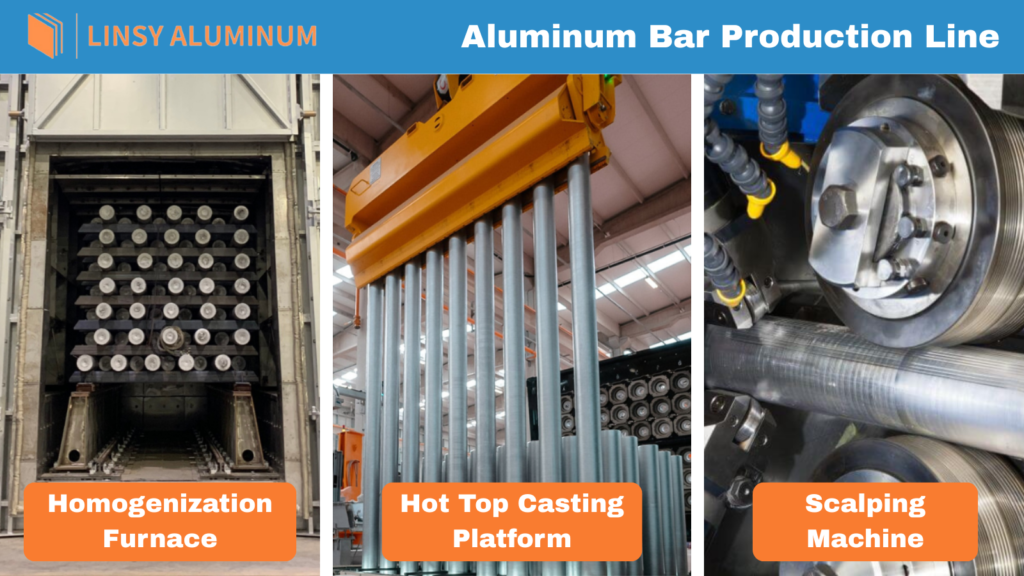
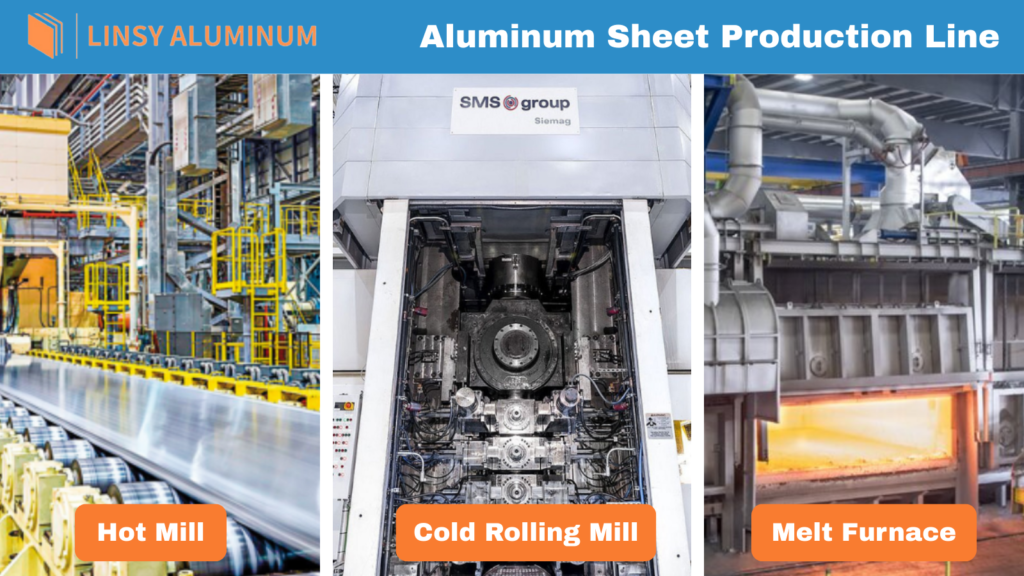
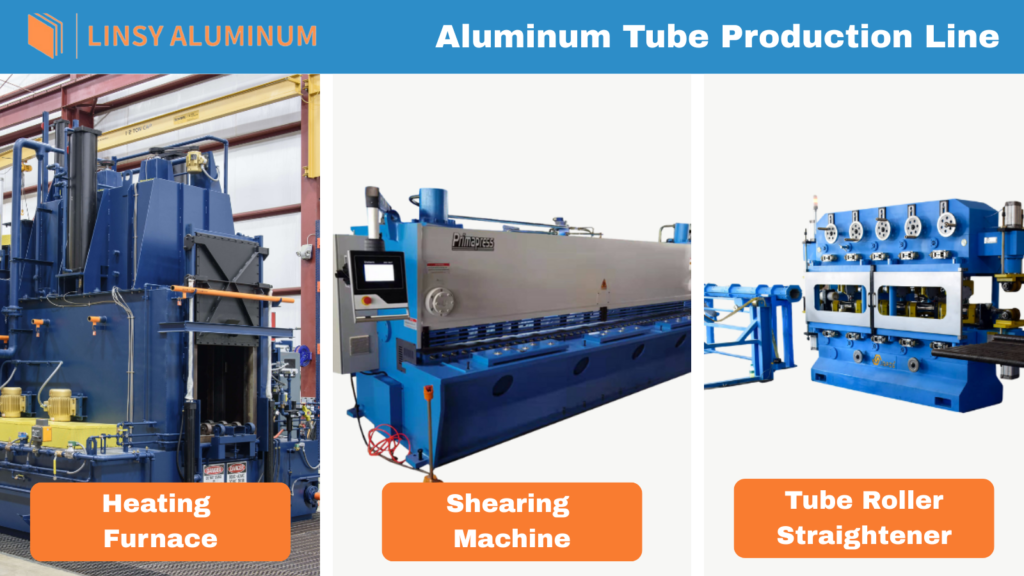
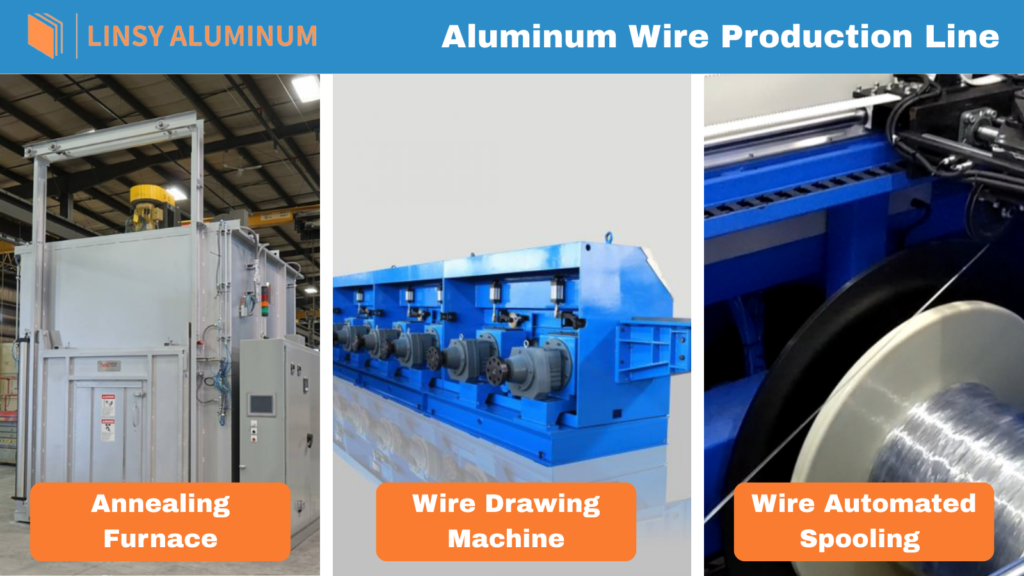
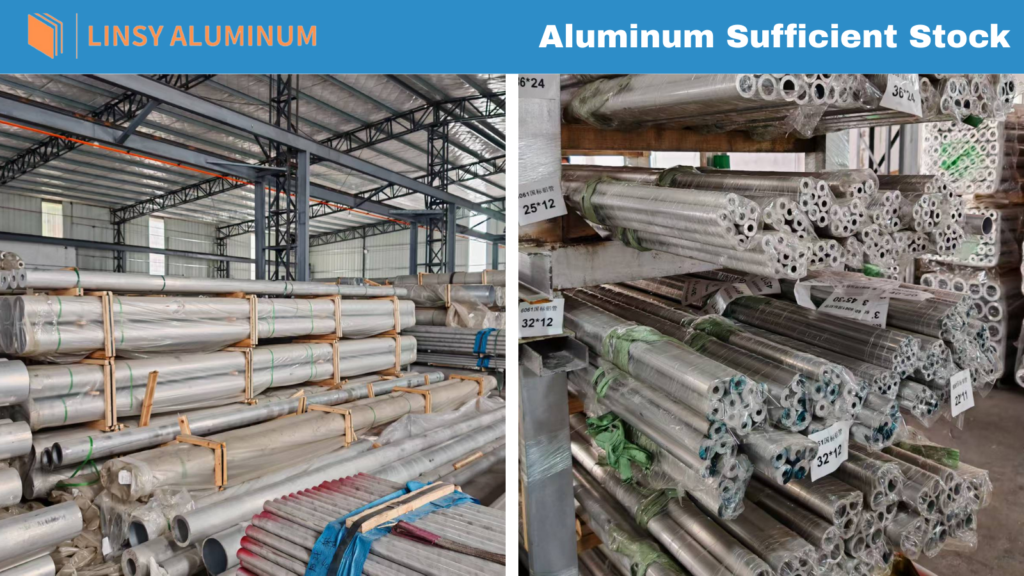
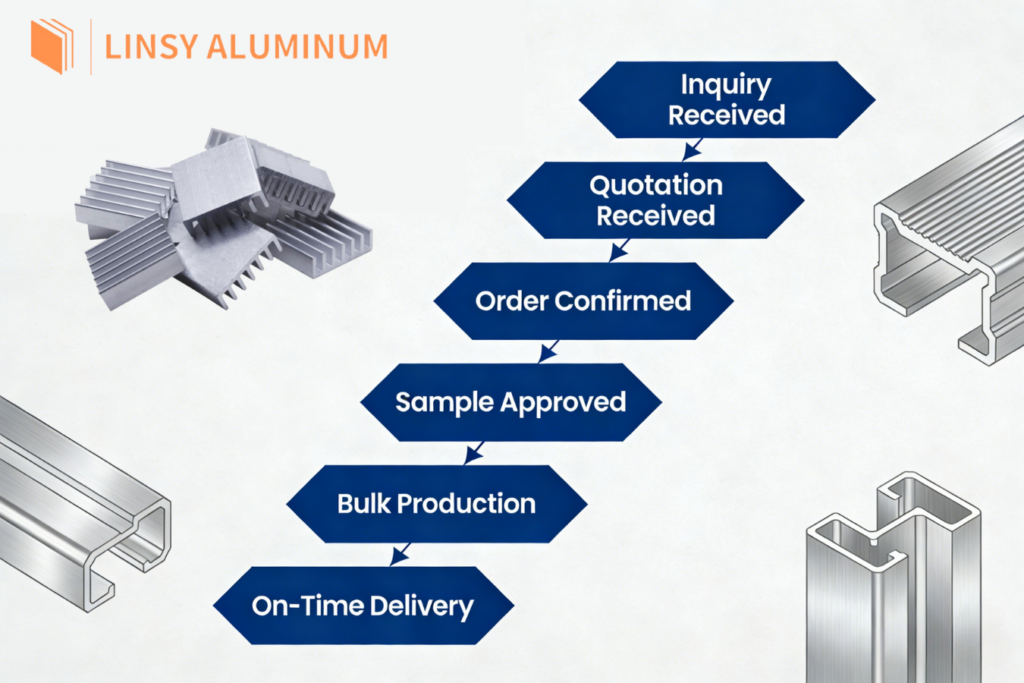
Zalety Linsy
Linsy Aluminium jest wiodącym dostawcą produktów do obróbki aluminium, obsługującym różne branże, w tym lotnictwo, inżynierię ogólną, motoryzację, przemysł morski, stoczniowy i inne specjalistyczne zastosowania przemysłowe.
Dążymy do utrzymania najwyższych standardów jakości i odpowiedzialności za środowisko, o czym świadczą nasze certyfikaty: ISO 9001:2008, ISO 14001:2004 oraz SGS.