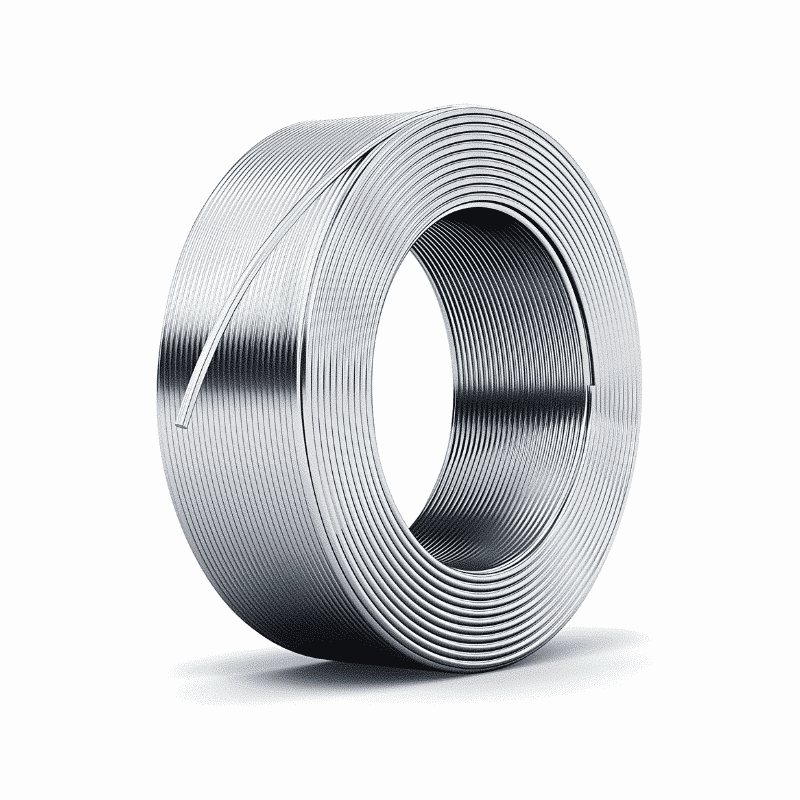
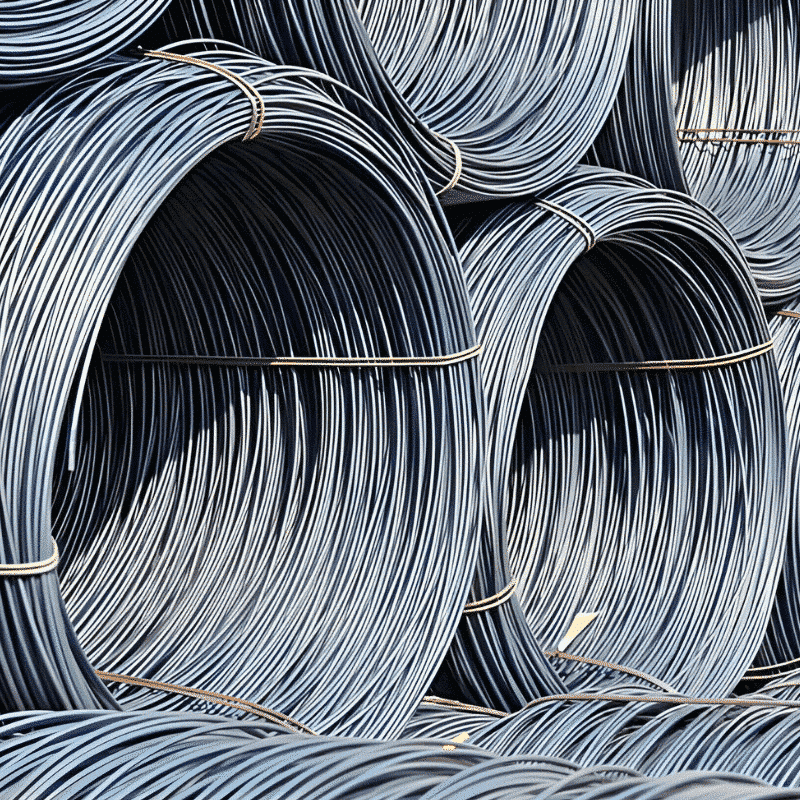


5056-Aluminiumdraht ist eine hochmagnesiumhaltige, nicht wärmebehandelbare Al-Mg-Cr-Legierung, die auf Spulen und Ringen als Schweißzusatz, für Nieten, Verbindungselemente und maritime Anwendungen geliefert wird. Mit einem höheren Magnesiumgehalt als 5356 und hervorragender Beständigkeit gegen Meerwasserkorrosion ist 5056-Draht die bevorzugte Wahl zum Schweißen magnesiumreicher 5xxx-Grundlegierungen sowie für den Einsatz in aggressiven, chloridhaltigen Umgebungen. Linsy produziert 5056-Draht in den Zuständen O, H32, H34 und H111 mit kundenspezifischen Durchmessern, kontrollierter Oberflächenqualität und vollständiger Werkszeugnis-Zertifizierung.
Verfügbare Formulare: Draht auf Spulen / Ringen / auf Länge geschnittene Stücke
Häufige Temperamente: O / H32 / H34 / H111
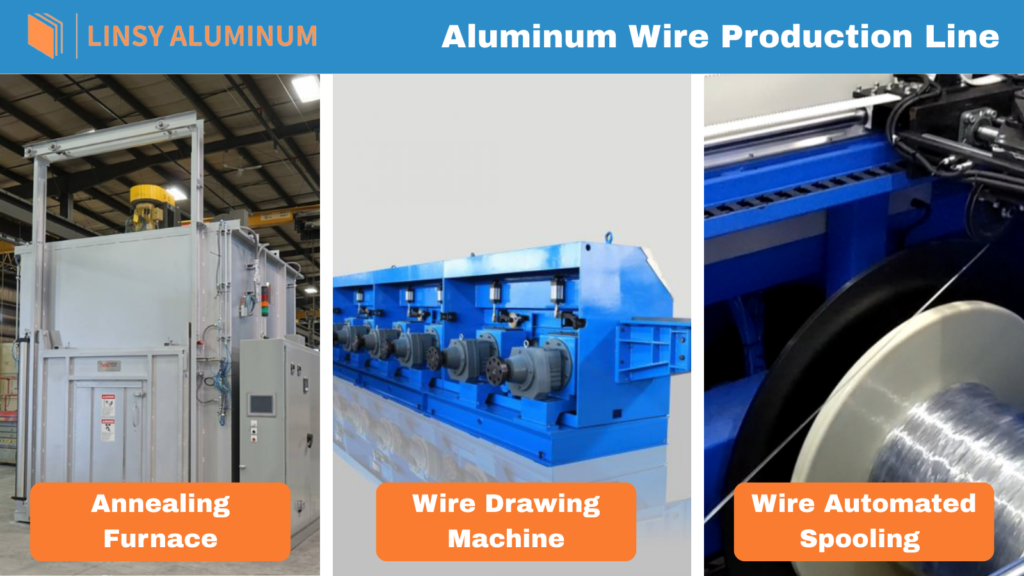
Unterstützung bei der Bearbeitung: Kaltziehen / Glühen / Richten / Oberflächenreinigung
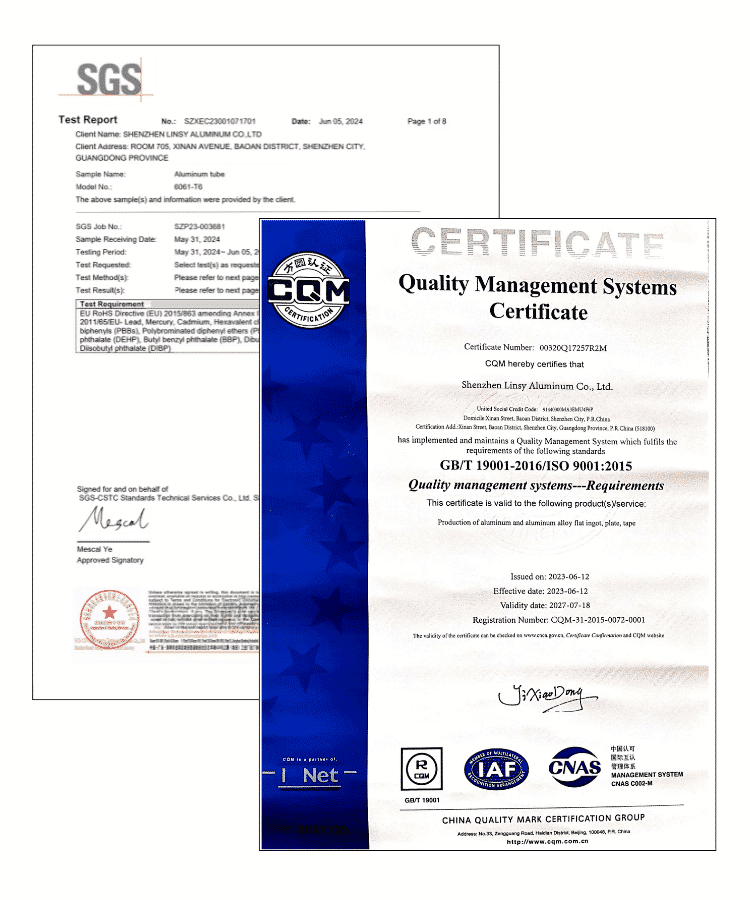
Qualitätsdokumente: MTC-Bericht bei jeder Bestellung
5056-Aluminiumdraht ist eine Al-Mg-Cr-Legierung der 5000er-Serie. Er ist nicht wärmebehandelbar, sodass seine Festigkeit durch Kaltverformung und Verfestigung entwickelt wird, nicht durch Lösungs- oder Ausscheidungsbehandlung. Die Legierung enthält etwa 4,5–5,6 % Magnesium und 0,05–0,20 % Chrom, was eine Kombination aus hoher Festigkeit, guter Schweißbarkeit und herausragender Beständigkeit gegen marine und industrielle Atmosphären ergibt.
5056-Draht wird am häufigsten als Zusatzwerkstoff zum Schweißen magnesiumreicher 5xxx-Legierungen sowie als Kaltstauch- oder Nietdraht verwendet, wo sowohl Festigkeit als auch Korrosionsbeständigkeit gefordert sind. Er wird in den Zuständen O (weichgeglüht), H32 (viertelhart), H34 (halbhart) und H111 (leicht verformt, geglüht) geliefert. Äquivalente Bezeichnungen umfassen UNS A95056, EN AW-5056 (AlMg5Cr), JIS A5056 und GB/T 3190 5056.
Diese Seite konzentriert sich auf 5056-Aluminiumdraht. Die folgende Tabelle fasst das typische Lieferprogramm zusammen. Kundenspezifische Durchmesser, Spulengewichte und Verpackungsformate sind auf Anfrage erhältlich.
| Attribut | Bereich / Wert |
|---|---|
| Legierung | 5056 (UNS A95056) |
| Gefühle | O, H32, H34, H111 |
| Durchmesser | 0,8 mm – 12 mm |
| Durchmessertoleranz | ±0,05 mm |
| Verpackung | Spulen, Ringe, Abschnittlängen |
| Bund-/Spulengewicht | 10 – 500 kg |
| Gängige Normen | ASTM B316, ASTM B211, EN 573, GB/T 3190 |
Neben allgemeinem mechanischem Draht wird 5056 häufig als Schweißzusatzdraht und als Kaltstauchdraht für Nieten und Verbindungselemente angefordert. Der O-Zustand wird verwendet, wenn der Draht vor dem Einsatz gebogen, umgeformt oder gestaucht werden muss; die Zustände H32 und H34 bieten die höhere Anlieferfestigkeit, die für strukturelle Verbindungselemente und federbelastete Komponenten erforderlich ist.
Kontaktieren Sie Linsy mit Ihrer Projektspezifikation; wir können das von Ihnen geforderte Zertifikatsformat, die Norm und das Prüfniveau abgleichen.
Die folgenden Werte sind typisch für handelsüblichen 5056-Aluminiumdraht. Bestätigen Sie stets die genaue Schmelzenanalyse anhand des Werkszeugnisses.
| Element | Zusammensetzung (%) |
|---|---|
| Si | 0,30 max. |
| Fe | 0,40 Maximal |
| Cu | 0,10 Maximal |
| Mn | 0.05 - 0.20 |
| Mg | 4.50 – 5.60 |
| Cr | 0.05 - 0.20 |
| Zn | 0,10 Maximal |
| Ti | 0.05 - 0.20 |
| Sonstige (jeweils) | 0,05 Max |
| Sonstige (insgesamt) | 0,15 Maximal |
| Al | Bilanz |
Die folgende Tabelle zeigt typische mechanische Eigenschaften für 5056-Aluminiumdraht in den gängigsten Zuständen. Die Werte sind Näherungswerte und sollten anhand des Werkszeugnisses für die jeweilige Schmelze und den bestellten Durchmesser verifiziert werden.
| Temperament | Zugfestigkeit (MPa) | Streckgrenze (MPa) | Dehnung (%) | Typische Härte (HB) |
|---|---|---|---|---|
| O | 290 | 150 | 24 | 65 |
| H32 | 380 | 250 | 20 | 90 |
| H34 | 425 | 290 | 18 | 100 |
| H111 | 310 | 180 | 22 | 70 |
Die typische elektrische Leitfähigkeit beträgt etwa 27–29 % IACS und die Wärmeleitfähigkeit liegt im Bereich von 117–130 W/(m·K), abhängig von Zustand und Durchmesser.
Der Magnesiumgehalt von 5056 macht ihn zu einer der festeren 5xxx-Legierungen im kaltverfestigten Zustand. Draht im Zustand H34 kann Zugfestigkeiten über 400 MPa erreichen, während er schweißbar und korrosionsbeständig bleibt.
Die Mg-Cr-Kombination bildet einen stabilen Schutzfilm, der 5056 eine sehr gute Beständigkeit gegen Meerwasser, Salzsprühnebel und feuchte industrielle Umgebungen verleiht. Dies macht ihn zur natürlichen Wahl für Marinebeschläge, Küstenstrukturen und Offshore-Hardware.
5056 wird häufig als Zusatzdraht für das Metall-Schutzgasschweißen (MIG) und Wolfram-Inertgasschweißen (TIG) der Grundlegierungen 5083, 5086 und 5456 verwendet. Die Chemie entspricht weitgehend dem Mg-Gehalt des Grundwerkstoffs und erzeugt Schweißgut mit kompatibler Festigkeit und Korrosionsverhalten.
Die Festigkeit wird durch Kaltziehen und Glühen gesteuert, nicht durch Wärmebehandlung. Dies ist ein Vorteil für Drahthersteller, da die Eigenschaften während Versand und Lagerung stabil bleiben, bedeutet jedoch, dass Anwender die Festigkeit nicht durch künstliche Alterung erhöhen können.
Hochmagnesiumhaltige Aluminiumlegierungen können empfindlich auf Spannungsrisskorrosion reagieren, wenn sie nach starker Kaltverformung in warmen, korrosiven Umgebungen gelagert werden. Lagern Sie Ringe an einem trockenen Ort und vermeiden Sie Kontakt mit Kupfer, Stahl oder Chloridsalzen.
5056-Draht wird durch Kaltziehen aus Zielstangenmaterial hergestellt, gefolgt von Glühen (für O und H111) oder kontrollierter Kaltreduzierung (für H32 und H34). Richten, Schneiden und Oberflächenreinigung können als Endbearbeitungsschritte durchgeführt werden. Linsy kann den Draht auf DIN-Spulen, wild gewickelten Ringen oder als präzisionsgeschnittene Längen liefern.
Oberflächenausführungen umfassen üblicherweise Walzhaut mit einem leichten Oxidfilm; optionale Reinigung, Entfettung und PVC-Umwicklung sind für Anwendungen verfügbar, die einen blanken, kontaminationsfreien Draht vor dem Schweißen oder Eloxieren erfordern. Da 5056 häufig als Schweißzusatz verwendet wird, ist die Oberflächenreinheit von entscheidender Bedeutung: Vermeiden Sie Kupfer- oder Stahlkontamination und halten Sie den Draht bis zur Verwendung trocken.
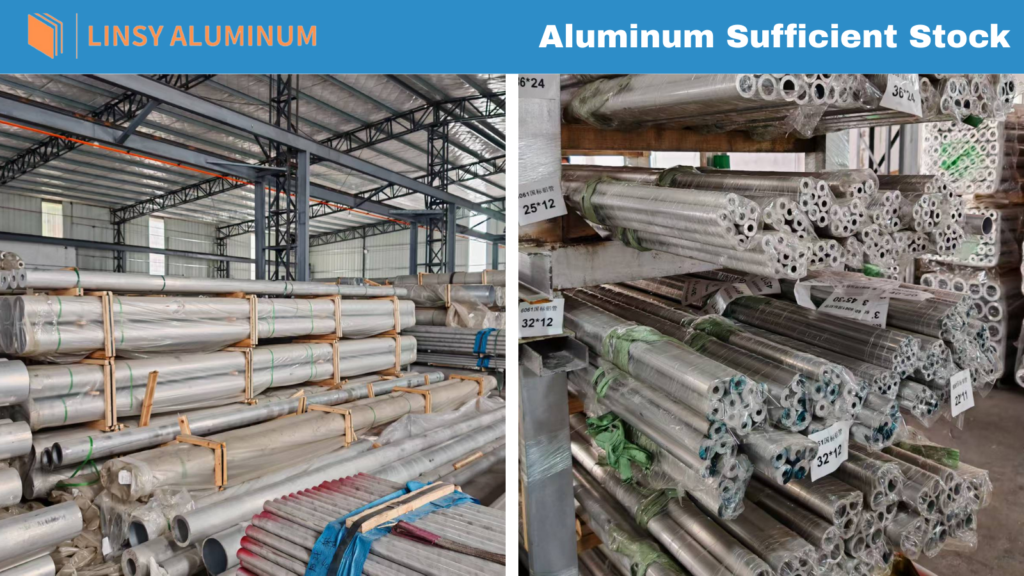
Wir beanspruchen keine pauschale Lagerhaltung für jeden Durchmesser oder jede Härtung. Die Vorlaufzeit für Sondergrößen beträgt in der Regel 10–60 Tage, abhängig von Bestellmenge und aktuellem Produktionsplan.
Was ist der Unterschied zwischen 5056 und 5356 Aluminiumdraht?
5056 enthält mehr Magnesium und wird typischerweise als Schweißzusatzdraht für 5xxx-Legierungen sowie als Niet- und Verbindungselementdraht verwendet. 5356 ist ein gebräuchlicherer Mehrzweck-Schweißzusatz mit etwas geringerem Magnesiumgehalt und besseren Vorschubeigenschaften in einigen MIG-Aufbauten.
Kann 5056-Draht zum Schweißen von 6061 Aluminium verwendet werden?
Dies ist nicht die empfohlene Wahl. Der Zusatzwerkstoff 5056 erzeugt ein Schweißgut mit deutlich höherem Magnesiumgehalt als 6061, was zu Rissempfindlichkeit und schlechterer Farbangleichung führen kann. Für 6061 wird üblicherweise 5356 oder 4043 als Zusatzwerkstoff bevorzugt.
Welche Härtung sollte ich für Nieten wählen?
Die O-Härtung lässt sich am einfachsten verarbeiten und umformen; H32 wird häufig für strukturelle Nieten verwendet, die eine höhere Scherfestigkeit beibehalten müssen. Die beste Wahl hängt vom Nietdurchmesser und der erforderlichen Scherbelastung ab.
Benötigt 5056-Draht eine spezielle Lagerung?
Lagern Sie den Draht an einem trockenen, überdachten Ort. Hochmagnesiumhaltige Legierungen können bei starker Kaltverformung und Einwirkung von Chloriden oder warmen, feuchten Bedingungen spannungsrissempfindlich sein. Halten Sie den Draht frei von Kupfer-, Stahl- oder Fettkontamination.
Ist ein Werksprüfzeugnis enthalten?
Ja. Jede Linsy-Bestellung wird mit einem MTC geliefert, das die chemische Zusammensetzung, mechanische Eigenschaften und Maßergebnisse der gelieferten Charge angibt.
Wie hoch ist Ihre Mindestbestellmenge?
Die Mindestbestellmenge hängt von Durchmesser und Härtung ab. Für Standardgrößen von 5056-Draht beginnt eine typische Bestellung bei einer Spule oder Rolle; kontaktieren Sie uns für die genaue Mindestbestellmenge Ihrer Spezifikation.
Kann ich eine Musterprobe erhalten?
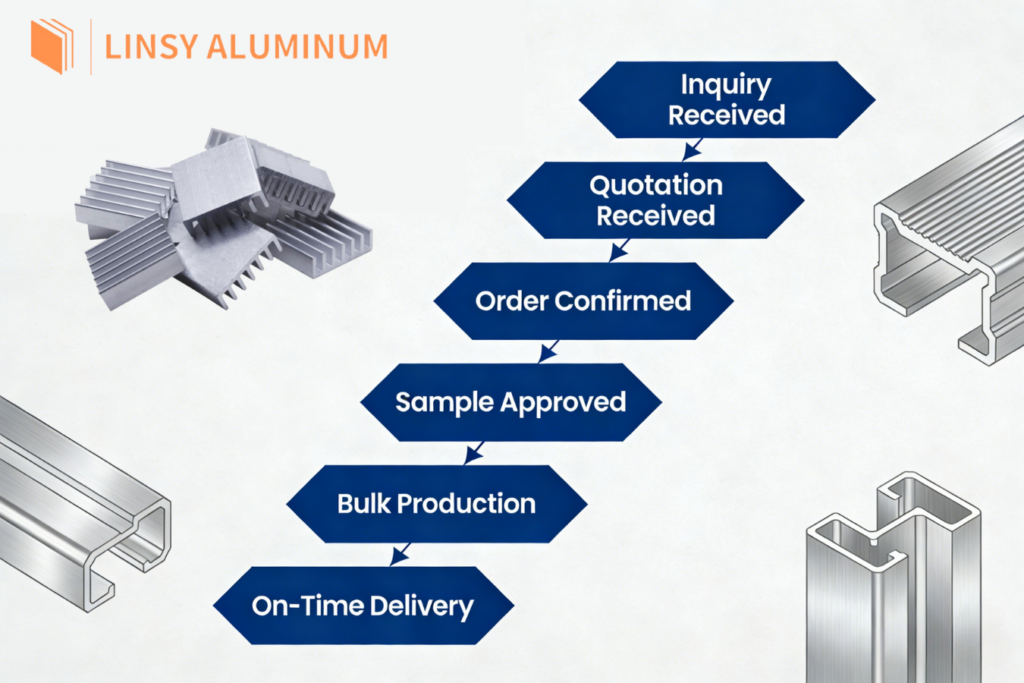
Ja, kleine Muster sind zur Überprüfung von Durchmesser, Oberflächenbeschaffenheit und chemischer Zusammensetzung vor der Erteilung eines Produktionsauftrags erhältlich.
Wie ist die typische Lieferzeit?
Kundenspezifischer 5056 Aluminiumdraht wird in der Regel innerhalb von 10–60 Tagen nach Auftragsbestätigung geliefert. Lager- oder halbfertige Größen sind möglicherweise früher verfügbar.
Wie wird der Draht verpackt?
Wir liefern auf DIN-Spulen, losen Bunden, kreuzgewickelten Spulen oder Abschnittslängen. Sonderverpackungen, Kennzeichnungen und Palettierung sind auf Anfrage erhältlich.
Welche Zahlungs- und Lieferbedingungen bieten Sie an?
Wir unterstützen standardmäßige Exportbedingungen wie T/T und L/C. Der Versand kann je nach Dringlichkeit und Bestellvolumen per See-, Luftfracht oder Kurier erfolgen.
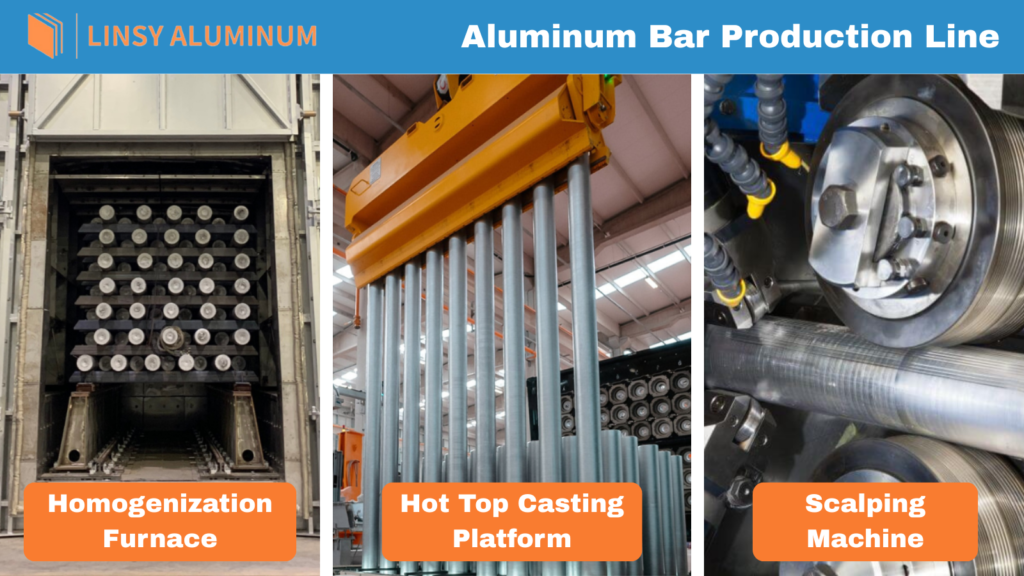
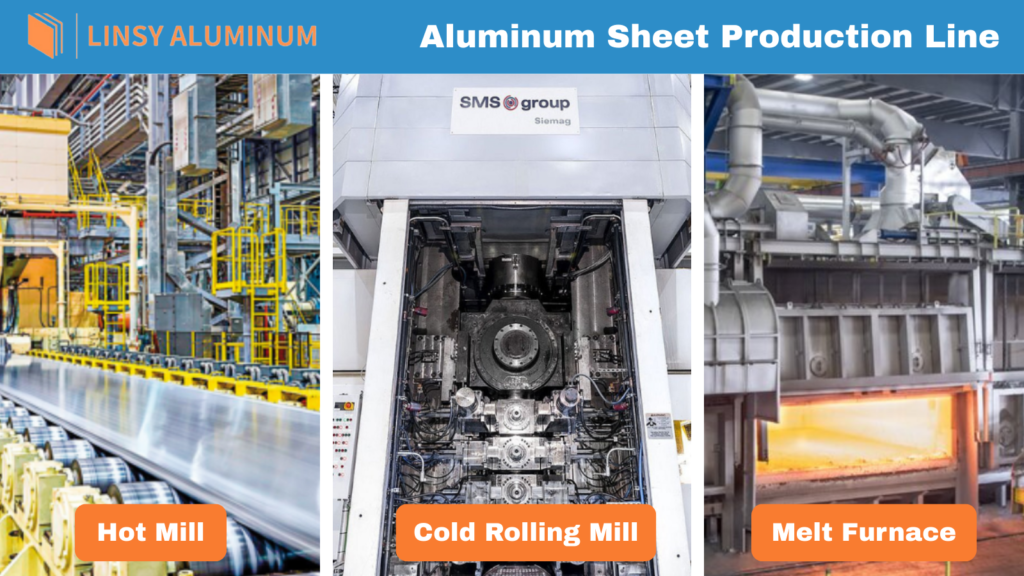
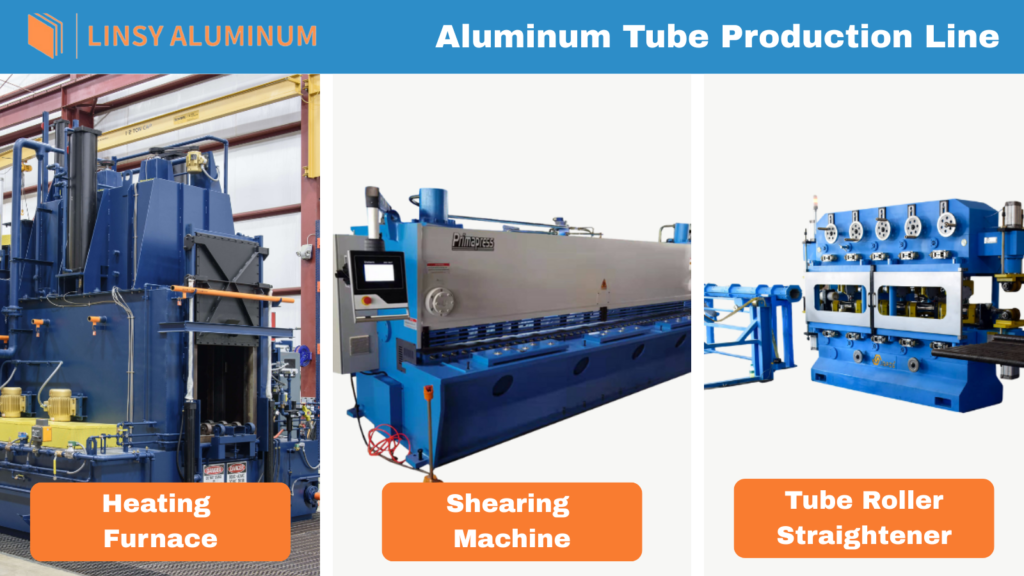
Linsy Vorteile
Linsy Aluminum ist ein führender Anbieter von Produkten für die Aluminiumverarbeitung und beliefert verschiedene Branchen wie die Luft- und Raumfahrt, den allgemeinen Maschinenbau, die Automobilindustrie, die Schifffahrt, den Schiffbau und andere spezialisierte industrielle Anwendungen.
Wir verpflichten uns, die höchsten Qualitäts- und Umweltstandards einzuhalten, was durch unsere Zertifizierungen belegt wird: ISO 9001:2008, ISO 14001:2004 und SGS.