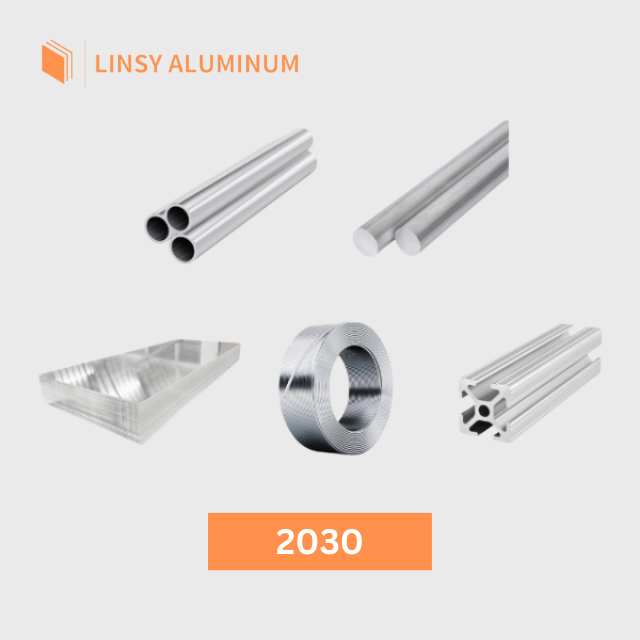


2030 Aluminium ist eine hochfeste Kupferlegierung auf Aluminiumbasis, die für die Hochgeschwindigkeits-Zerspanung entwickelt wurde. Ihre kurze Spanbildung und hervorragende Oberflächengüte machen sie zu einer bevorzugten Alternative zu 2011, wenn höhere mechanische Festigkeit gefordert ist. Linsy liefert die Legierung 2030 als Stange, Rohr, Blech und Platte – alle mit Werkszeugnis.
Verfügbare Formulare: Stange / Rohr / Blech / Platte / Profil
Häufige Temperamente: T3 / T4
Unterstützung bei der Bearbeitung: CNC-Bearbeitung / Drehen / Fräsen / Bohren / Eloxieren
Qualitätsdokumente: MTC-Bericht bei jeder Bestellung
Aluminium 2030 ist eine gut zerspanbare Legierung der 2xxx-Serie mit einem Kupfergehalt von ca. 3,3–4,5 % sowie Mangan- und Magnesiumzusätzen. Sie wurde für Hochgeschwindigkeits-Automatendreherei entwickelt, bei der kurze, brüchige Späne und saubere Oberflächen entscheidend sind.
Im Vergleich zu 2011 (der gängigsten Automatenlegierung) bietet 2030 höhere Zug- und Streckgrenzen bei gleichzeitig ausgezeichneter Zerspanbarkeit. Sie wird typischerweise im Zustand T3 oder T4 geliefert und eignet sich besonders für präzisionsgedrehte Bauteile, Verbindungselemente und Automobilbeschläge.
2030 ist gemäß dem europäischen Normensystem als EN AW-2030 klassifiziert und entspricht für Stangenprodukte der Norm ASTM B211.
Rundstange ist die am häufigsten gelagerte Form der Legierung 2030, hergestellt nach ASTM B211. Geeignet für CNC-Drehen, Automatendreherei und Präzisionswellenanwendungen.
| Legierung | Temperament | Durchmesser (mm) | Länge (mm) |
|---|---|---|---|
| 2030 | T3, T4 | 6–200 | 1,000–6,000 |
Kundenspezifische Durchmesser und Abschnittslängen auf Anfrage erhältlich.
Nahtlose und geschweißte Rohre für Fluidtransport und Strukturanwendungen in der Automobil- und Präzisionstechnik.
| Legierung | Temperament | Außendurchmesser (mm) | Wand (mm) | Länge (mm) |
|---|---|---|---|---|
| 2030 | T3, T4 | 6–120 | 1–10 | 1,000–6,000 |
Blech und Platte für bearbeitete Rohlinge, Strukturplatten und kundenspezifisch zugeschnittene Bauteile.
| Legierung | Temperament | Dicke (mm) | Breite (mm) | Länge (mm) |
|---|---|---|---|---|
| 2030 | T3, T4 | 0.3–200 | 500–1,500 | 1,000–4,000 |
| Standard | Bezeichnung |
|---|---|
| EN AW | AW-2030 |
| UNS | A92030 |
| ASTM (Stange) | B211 |
| ISO | AlCu4MgMn |
Gemäß EN 573-3 und gleichwertigen internationalen Normen:
| Element | Gewicht % |
|---|---|
| Si | 0,8 max. |
| Fe | 0,7 max |
| Cu | 3.3–4.5 |
| Mn | 0.2–1.0 |
| Mg | 0.5–1.3 |
| Cr | — |
| Zn | 0,5 max |
| Ti | — |
| Sonstige (jeweils) | 0,05 max |
| Sonstige (insgesamt) | 0,15 max |
| Al | Bilanz |
| Temperament | Zugfestigkeit (MPa) | Streckgrenze (MPa) | Dehnung A50 (%) | Härte HB |
|---|---|---|---|---|
| T3 | 340–380 | 220–260 | 10–14 | 95–110 |
| T4 | 370–410 | 250–300 | 8–12 | 100–120 |
Hinweis: Die Werte sind typische Bereiche für Standardstangenprodukte. Tatsächliche Werte hängen von Produktform, Abmessungen und Wärmebehandlung ab. Maßgeblich sind die Werkszeugnisse.
Kaltverfestigt und natürlich ausgelagert. T3 bietet eine gute Balance zwischen Festigkeit und Zerspanbarkeit. Es ist der am häufigsten bestellte Zustand für Automatendreherei, bei der mittlere Festigkeit mit ausgezeichneter Spanbildung gefordert ist.
Lösungsgeglüht und natürlich ausgelagert. T4 bietet die höchste Zugfestigkeit der Legierung 2030 bei weiterhin guter Zerspanbarkeit. Empfohlen für Anwendungen mit höherer Lastaufnahme, wie Präzisionswellen und strukturelle Verbindungselemente.
| Temperament | Am besten für | Hauptvorteil |
|---|---|---|
| T3 | Automatendrehteile, Verbindungselemente, Beschläge | Beste Zerspanbarkeit bei mittlerer Festigkeit |
| T4 | Strukturelle Verbindungselemente, Wellen, tragende Teile | Höhere Festigkeit bei guter Oberflächengüte |
2030 erzeugt beim Hochgeschwindigkeitsschnitt kurze, brüchige Späne – eine entscheidende Anforderung für Automatendreh- und Schraubautomaten. Dies reduziert Maschinenstillstandszeiten durch Spanverwicklung und verbessert die Standzeit der Werkzeuge.
Mit einer Zugfestigkeit von 340–410 MPa (je nach Zustand) übertrifft 2030 die mechanischen Eigenschaften der meisten Automatenlegierungen. Sie schließt die Lücke zwischen reiner Zerspanbarkeit (2011) und struktureller Leistungsfähigkeit (2024).
Aus 2030 gefertigte Teile weisen direkt nach der Bearbeitung eine helle, saubere Oberfläche auf – dies reduziert oder eliminiert nachgelagerte Finishing-Operationen wie Schleifen oder Polieren.
Wie die meisten Kupferlegierungen der 2xxx-Serie besitzt 2030 eine mäßige Korrosionsbeständigkeit. Sie ist ohne Schutzbeschichtung nicht für maritime oder stark korrosive Umgebungen empfohlen. Eloxieren oder chemische Konversionsbeschichtungen können den Oberflächenschutz verbessern.
Aluminium 2030 wird häufig in Branchen eingesetzt, die Hochgeschwindigkeitsbearbeitung mit engen Toleranzen erfordern:
Die Legierung 2030 zeichnet sich in CNC-Bearbeitungsprozessen aus. Wichtige Verarbeitungshinweise:
Jede Bestellung von Linsy beinhaltet:
Linsy arbeitet nach den Managementsystemen ISO 9001, ISO 14001 und ISO 45001. Die Produktionsvorlaufzeiten betragen je nach Produktform und Auftragskomplexität 10 bis 60 Tage.
Linsy Aluminum ist auf die Lieferung von Automaten- und Strukturaluminiumlegierungen an industrielle Abnehmer weltweit spezialisiert. Für die Legierung 2030 im Besonderen:
Aluminium 2030 wird hauptsächlich für Hochgeschwindigkeits-Zerspanteile verwendet: Verbindungselemente, Automobilbeschläge, Präzisionswellen und alle Bauteile, die eine ausgezeichnete Spanbildung und saubere Oberfläche nach der Bearbeitung erfordern.
Nein. 2030 wird für strukturelle Zwecke als nicht schweißbar eingestuft. Der Kupfergehalt und mögliche Bleizusätze führen zu schlechten Schweißeigenschaften. Mechanisches Fügen oder Hartlöten sollte stattdessen verwendet werden.
T3 wird für Schraubautomatenarbeit bevorzugt (beste Zerspanbarkeit). T4 wird für höherfeste strukturelle Verbindungselemente und Wellen bevorzugt. Beide Zustände bieten gute Oberflächengüte und kurze Spanbildung.
2030 bietet höhere Zug- und Streckgrenze als 2011 bei vergleichbarer Zerspanbarkeit. Wenn Ihre Anwendung eine höhere Lastkapazität erfordert, aber dennoch freischneidendes Verhalten benötigt, ist 2030 die bessere Wahl.
Einige 2030-Spezifikationen enthalten geringe Bleizusätze zur verbesserten Spanbrechung. Das Vorhandensein und die Menge von Blei hängen von der jeweiligen Produktionsnorm ab. Prüfen Sie das MTC-Zertifikat für die genauen Zusammensetzungsdaten Ihrer Bestellung.
Die Mindestbestellmenge hängt von Produktform und Spezifikation ab. Kontaktieren Sie Linsy für spezifische MOQ-Details zu 2030-Stange, -Rohr, -Blech oder -Platte.
Ja. Linsy bietet Maßzuschnitt und kundenspezifische Größen bei den meisten 2030-Produktformen an. Geben Sie Ihre benötigten Abmessungen in der RFQ an.
Jede Lieferung enthält ein Werksprüfzeugnis (MTC). SGS-Prüfberichte durch Dritte sind auf Anfrage erhältlich.
Die Produktionsvorlaufzeit beträgt 10–60 Tage, abhängig von Produktform, Abmessungen und Bestellmenge. Kontaktieren Sie uns für eine geschätzte Zeitplanung.
Ja. Linsy liefert Aluminiumprodukte an Käufer weltweit. Versandbedingungen und Frachtoptionen werden bei der Bestellaufgabe bestätigt.
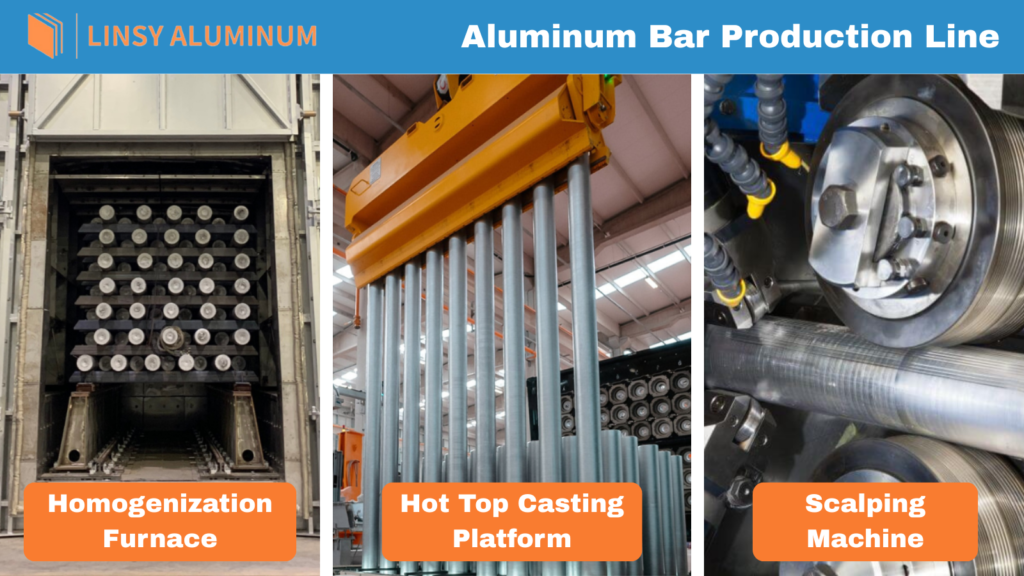
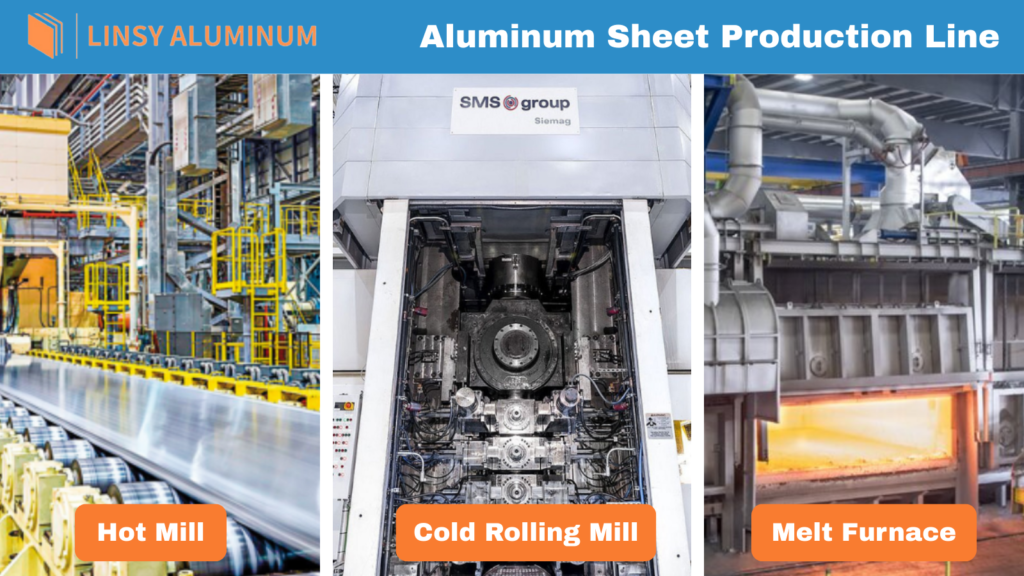
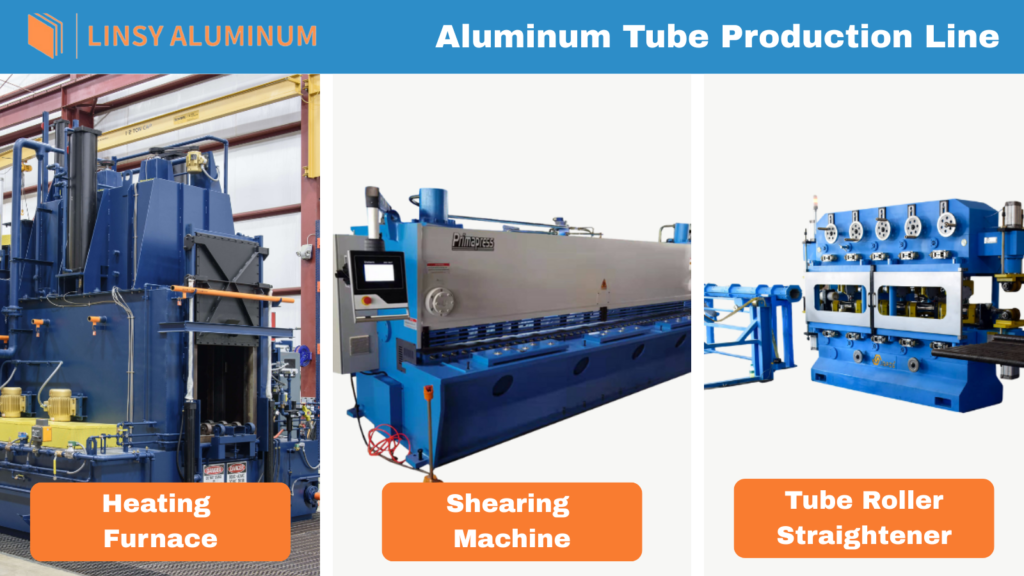
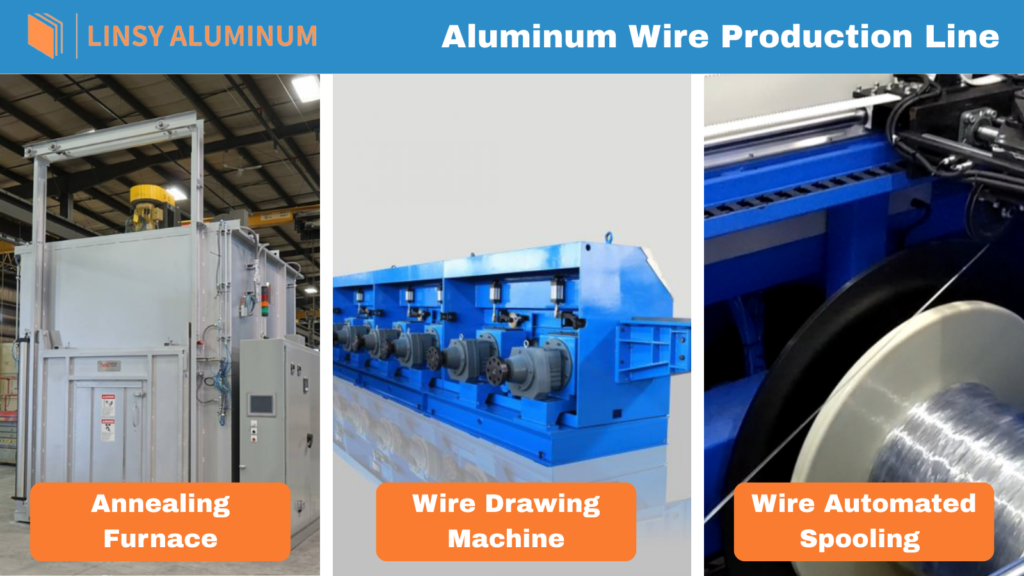
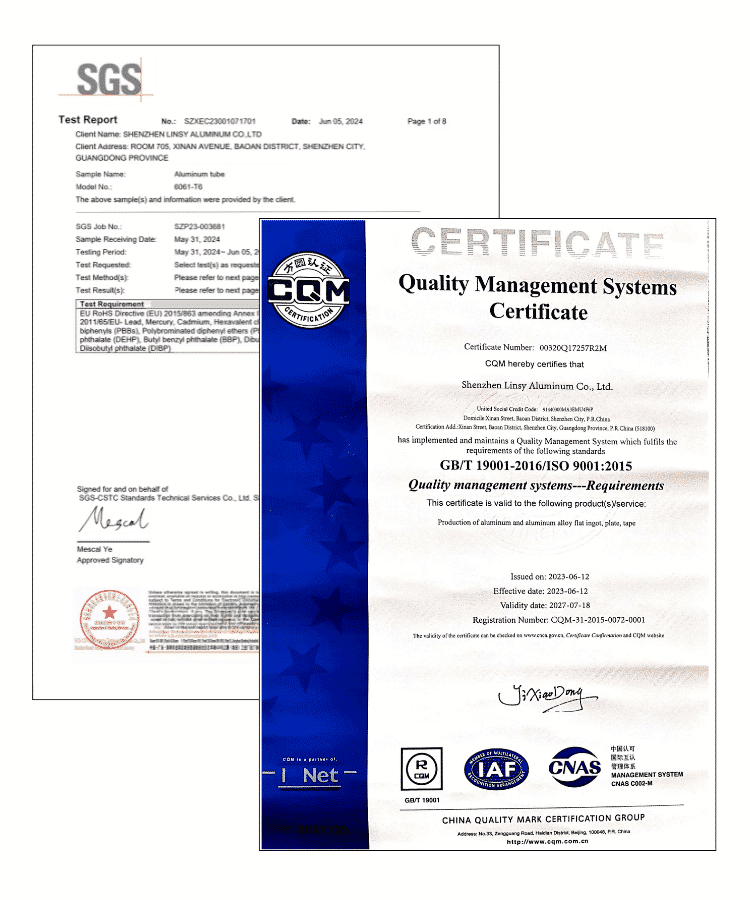
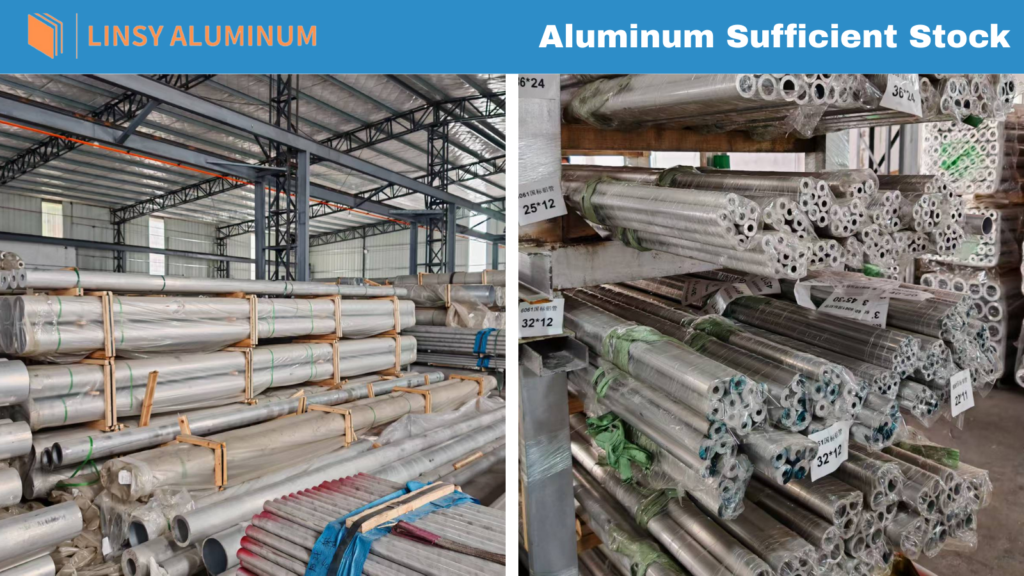
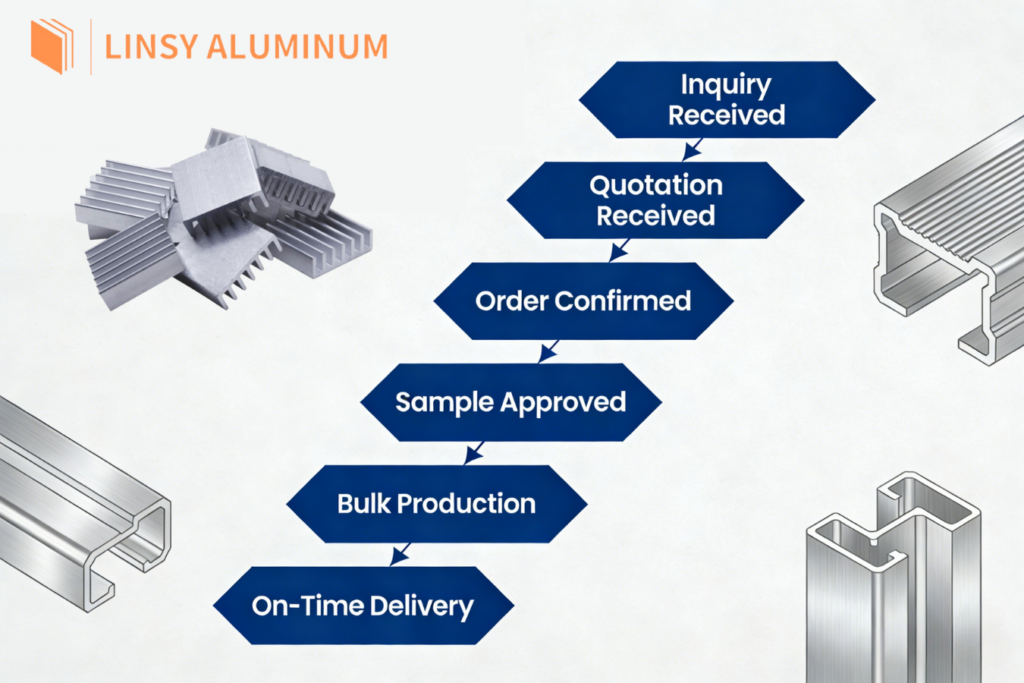
Linsy Vorteile
Linsy Aluminum ist ein führender Anbieter von Produkten für die Aluminiumverarbeitung und beliefert verschiedene Branchen wie die Luft- und Raumfahrt, den allgemeinen Maschinenbau, die Automobilindustrie, die Schifffahrt, den Schiffbau und andere spezialisierte industrielle Anwendungen.
Wir verpflichten uns, die höchsten Qualitäts- und Umweltstandards einzuhalten, was durch unsere Zertifizierungen belegt wird: ISO 9001:2008, ISO 14001:2004 und SGS.