
Le 5050 est un alliage Al-Mg de résistance moyenne de la série 5000, offrant une excellente résistance à la corrosion et une qualité d'anodisation supérieure. Avec une teneur en magnésium inférieure à celle du 5052, il offre une formabilité améliorée et une finition brillante et uniforme, idéale pour les applications architecturales et électroménagères. Linsy Aluminum fournit le 5050 sous forme de tôle, plaque, barre, tube et fil, disponible en états O, H32 et H34. Des dimensions personnalisées, des finitions de surface et des rapports MTC sont fournis avec chaque commande.
Formulaires disponibles : tôle / plaque / bobine / barre / tube / fil / profilé
Tempéraments courants : O / H32 / H34
Assistance technique : Usinage CNC / découpe laser / polissage / anodisation
Documents relatifs à la qualité : Rapport MTC joint à chaque commande
Le 5050 est un alliage corroyé Al-Mg de la série 5000, avec une teneur nominale en magnésium d'environ 1,1 à 1,8%. Par rapport à l'alliage 5052 plus largement utilisé, le 5050 présente un niveau de magnésium inférieur, ce qui lui confère une meilleure formabilité et une finition de surface plus brillante après anodisation, tout en conservant une bonne résistance à la corrosion.
Cet alliage n'est pas traitable thermiquement — sa résistance est développée par écrouissage (durcissement par déformation), ce qui se reflète dans ses désignations d'état (O, H32, H34). Il est couramment spécifié dans les applications où une résistance mécanique modérée et une finition décorative de haute qualité sont requises, telles que les profilés architecturaux, les composants électroménagers et les tubes automobiles.
Le 5050 est reconnu sous les désignations suivantes : AA 5050 (Aluminum Association), UNS A95050, EN AW-5050 (norme européenne), JIS A5050 (norme japonaise), et GB/T 5050 (norme chinoise). Il est généralement fourni sous forme de tôle, plaque, bobine, barre, tube et fil.
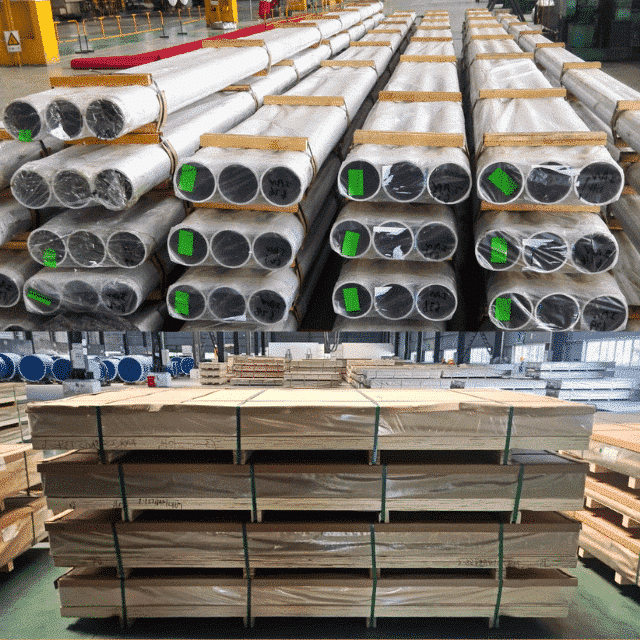
Linsy Aluminum fournit l'aluminium 5050 dans une gamme de formes de produits pour répondre à différents besoins de fabrication. Des dimensions personnalisées, des options de coupe sur mesure et des finitions de surface peuvent être arrangées.
La tôle et la bobine en aluminium 5050 sont couramment utilisées dans les panneaux décoratifs, les composants électroménagers et les revêtements architecturaux. La réponse brillante à l'anodisation et la formabilité de l'alliage le rendent bien adapté aux surfaces visibles.
| Paramètre | Plage typique |
|---|---|
| Épaisseur | 0,3 mm – 6,0 mm |
| Largeur | Jusqu'à 2 000 mm |
| Longueur | Sur mesure / coupe à dimension |
| États | O, H32, H34 |
| Surface | Finition de laminage, prête pour anodisation, polie |
La plaque en aluminium 5050 offre une épaisseur supérieure pour les applications décoratives structurelles ou à usage intensif. Disponible en états O, H32 et H34 avec support de coupe sur mesure.
| Paramètre | Plage typique |
|---|---|
| Épaisseur | 6,0 mm – 100 mm |
| Largeur | Jusqu'à 2 500 mm |
| Longueur | Sur mesure / coupe à dimension |
| États | O, H32, H34 |
La barre en aluminium 5050 est disponible en profilés ronds, carrés et plats. Elle convient à l'usinage de composants structurels, de supports et de quincaillerie décorative où une résistance modérée et une bonne résistance à la corrosion sont requises.
| Paramètre | Plage typique |
|---|---|
| Diamètre (rond) | 5 mm – 200 mm |
| Longueur | Sur mesure / coupe à dimension |
| États | O, H32, H34 |
Le tube en aluminium 5050 est utilisé dans les lignes hydrauliques, les systèmes de carburant et les composants tubulaires décoratifs. Sa bonne formabilité permet les opérations de cintrage, d'évasement et de formage d'extrémités.
| Paramètre | Plage typique |
|---|---|
| Diamètre extérieur | 6 mm – 200 mm |
| Épaisseur de paroi | 0,5 mm – 15 mm |
| Longueur | Sur mesure / coupe à dimension |
| États | O, H32, H34 |
Le fil en aluminium 5050 est utilisé dans des applications telles que les rivets, les fixations et la fabrication générale où une résistance modérée et une bonne résistance à la corrosion sont suffisantes.
| Paramètre | Plage typique |
|---|---|
| Diamètre | 0,5 mm – 12 mm |
| États | O, H32 |
| Emballage | Bobine ou dévidoir |
Des profilés et extrusions personnalisés en aluminium 5050 peuvent être arrangés sur la base des dessins et spécifications du client. Contactez Linsy avec vos exigences de profilé pour une étude de faisabilité et une soumission.
| Standard | Désignation |
|---|---|
| AA (Association de l'aluminium) | 5050 |
| UNS | A95050 |
| EN AW | EN AW-5050 (EN AW-AlMg1.5(C)) |
| JIS | A5050 |
| GB/T (Chine) | 5050 |
| ISO | AlMg1.5 |
Spécifications ASTM courantes applicables aux produits en aluminium 5050 : ASTM B209 (tôle et plaque), ASTM B211 (barre et fil). Si votre projet nécessite la conformité à une norme spécifique non listée ici, veuillez contacter Linsy pour confirmation.
| Élément | Poids % (nominal) |
|---|---|
| Silicium (Si) | 0,40 max |
| Fer (Fe) | 0,70 max |
| Cuivre (Cu) | 0,20 max |
| Manganèse (Mn) | 0,10 max |
| Magnésium (Mg) | 1,1 – 1,8 |
| Chrome (Cr) | 0,10 max |
| Zinc (Zn) | 0,25 max |
| Autres (chacun) | 0,05 max |
| Autres (total) | 0,15 max |
| Aluminium (Al) | Équilibre |
Remarque : Les valeurs ci-dessus représentent les plages de composition nominales selon les normes de spécification des alliages. Les valeurs réelles peuvent varier légèrement entre les lots de production. Pour la composition chimique spécifique au lot, veuillez vous référer au MTC (certificat d'essai des matériaux) fourni avec votre commande.
Le 5050 est un alliage non traitable thermiquement ; ses propriétés mécaniques dépendent de l'état (niveau d'écrouissage). Le tableau ci-dessous fournit les valeurs typiques pour les états les plus courants.
| Propriété | 5050-O | 5050-H32 | 5050-H34 |
|---|---|---|---|
| Résistance à la traction (MPa) | 140 – 180 | 210 – 240 | 230 – 270 |
| Limite d'élasticité (MPa) | 55 – 70 | 160 – 180 | 180 – 200 |
| Élongation (%) | 20 – 24 | 7 – 12 | 5 – 8 |
| Densité (g/cm³) | 2.69 | ||
Remarque : Les valeurs ci-dessus sont des plages typiques à titre de référence. Les propriétés mécaniques exactes dépendent de la forme du produit, de l'épaisseur et des normes d'essai applicables. Pour les valeurs minimales garanties selon une norme ASTM ou EN spécifique, veuillez contacter Linsy avec vos exigences.
| Tempérer | Avantage principal | Applications typiques |
|---|---|---|
| 5050-O | Condition la plus douce — formabilité et ductilité maximales pour l'emboutissage profond et les opérations de formage complexes | Pièces embouties profondément, composants formés complexes, opérations de repoussage |
| 5050-H32 | Écrouie à quart-dur — bon équilibre entre résistance et formabilité, adaptée au cintrage et formage modérés | Tubes automobiles, panneaux, boîtiers d'appareils électroménagers, travail général de la tôle |
| 5050-H34 | Écrouie à demi-dur — résistance supérieure, formabilité réduite, idéale pour les composants où la résistance prime sur le formage | Garnitures structurelles, supports, composants décoratifs avec besoins de formage limités |
Si vous n'êtes pas certain du temper adapté à votre application, contactez Linsy en précisant vos opérations de formage et vos exigences de résistance. Notre équipe pourra vous recommander le temper le plus approprié.
L'aluminium 5050 est réputé pour produire une finition de surface brillante et uniforme après anodisation. La teneur contrôlée en magnésium et les faibles impuretés de cet alliage permettent d'obtenir une couche anodique claire et esthétiquement cohérente, ce qui en fait un choix privilégié pour les garnitures architecturales, les panneaux décoratifs, les plaques signalétiques et la signalétique où l'apparence est primordiale.
En tant qu'alliage Al-Mg de la série 5000, le 5050 offre une bonne résistance à la corrosion atmosphérique, y compris dans les environnements marins et industriels. Il convient aux applications architecturales extérieures, aux composants d'électroménagers exposés à l'humidité et aux boîtiers à usage général où l'intégrité de surface à long terme est requise.
Comparé au 5052 (qui a une teneur en magnésium plus élevée), le 5050 offre une meilleure formabilité à l'état recuit (O). Il peut être cintré, embouti, repoussé et estampé en formes complexes sans fissuration. Les tempers H32 et H34 offrent une résistance progressivement plus élevée au prix d'une formabilité réduite — reportez-vous au Guide de sélection des tempers ci-dessus pour votre application spécifique.
L'aluminium 5050 peut être soudé par les méthodes conventionnelles, notamment le soudage TIG (GTAW) et MIG (GMAW). Comme pour les autres alliages de la série 5000, le choix approprié du métal d'apport et la préparation de surface sont importants pour éviter la porosité et obtenir des joints de soudure sains. Pour les applications soudées structurelles ou portantes, consultez Linsy pour des recommandations de traitement.
Linsy Aluminum propose une gamme de services de traitement et de finition de surface pour les produits en aluminium 5050. Les méthodes de traitement recommandées pour cet alliage comprennent :
Note sur le soudage : Bien que le 5050 puisse être soudé par TIG ou MIG, l'apport de chaleur pendant le soudage réduira la résistance des tempers écrouis (H32, H34) dans la zone affectée par la chaleur. Pour les structures soudées, concevez en conséquence ou envisagez un traitement post-soudure.
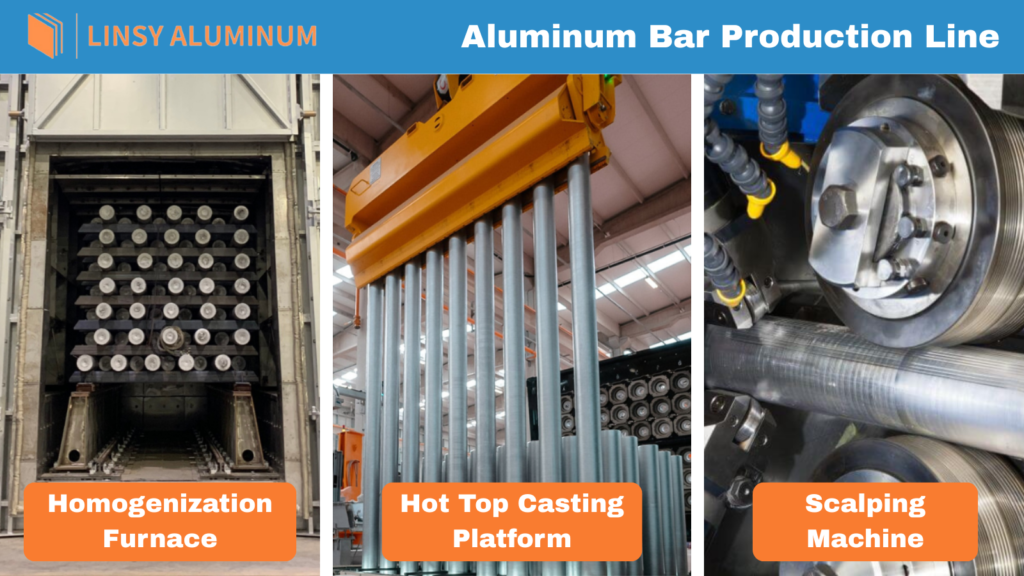
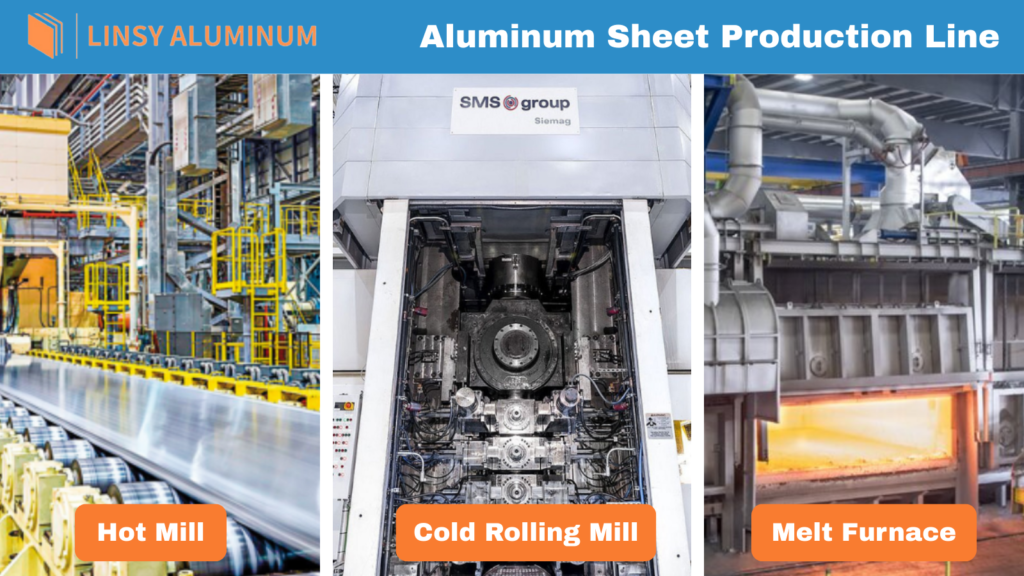
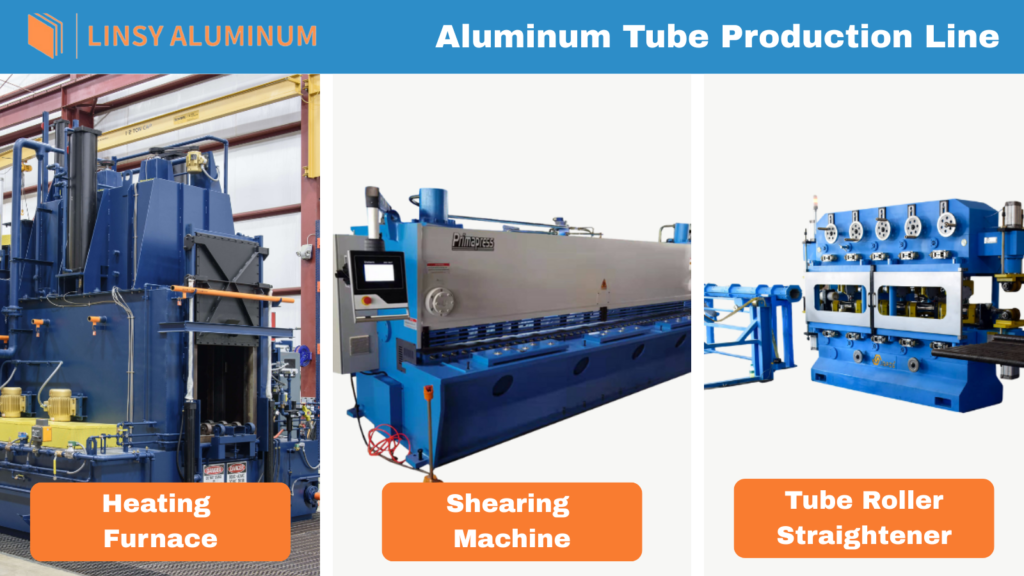
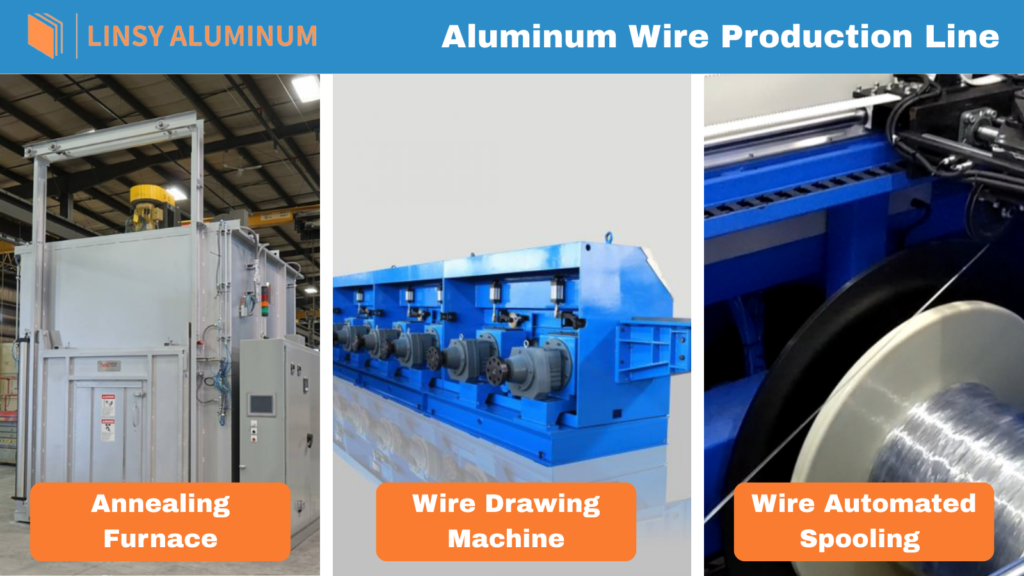
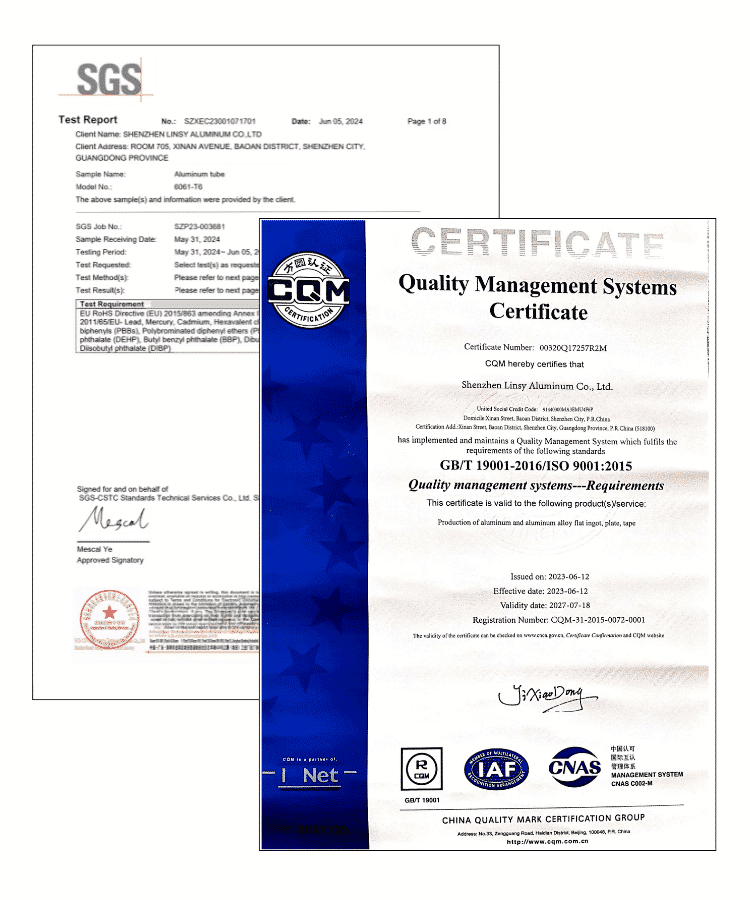
Linsy Aluminum maintient des systèmes de gestion de la qualité conformes aux normes ISO 9001, ISO 14001 et ISO 45001. Le contrôle qualité couvre l'ensemble du processus de production, de la sélection des matières premières à l'inspection des produits finis.
Linsy Aluminum est une usine d'aluminium basée à Shenzhen avec plus de 20 ans d'expérience dans l'industrie. Pour les acheteurs d'aluminium 5050, nous offrons :
Les deux sont des alliages Al-Mg de la série 5000, mais le 5050 a une teneur en magnésium plus faible (1,1–1,8 % contre 2,2–2,8 % pour le 5052). Cela confère au 5050 une meilleure formabilité et une finition anodisée plus brillante, tandis que le 5052 offre une résistance supérieure. Le 5050 est préféré pour les applications décoratives et critiques en termes d'apparence ; le 5052 est plus courant pour les applications structurelles et marines.
Oui. L'aluminium 5050 est considéré comme l'un des meilleurs alliages de la série 5000 pour l'anodisation. Sa chimie contrôlée produit une couche anodique claire, brillante et uniforme, ce qui le rend idéal pour les applications architecturales et décoratives où l'apparence de surface est importante.
Le 5050-O (recuit) est le temper recommandé pour l'emboutissage profond, le repoussage et les opérations de formage complexes. Il offre une ductilité maximale et le risque le plus faible de fissuration lors d'une déformation sévère.
Non. Le 5050 est un alliage non traitable thermiquement. Sa résistance est développée par écrouissage (déformation à froid), reflété dans les désignations de temper H32 (quart-dur) et H34 (demi-dur). Le recuit (temper O) restaure la condition la plus douce.
L'ASTM B209 couvre les tôles et plaques en aluminium et alliages d'aluminium, y compris le 5050. Pour les marchés européens, la désignation applicable est EN AW-5050. Si votre projet nécessite une norme nationale ou internationale spécifique, veuillez contacter Linsy pour confirmation de conformité.
Oui. Linsy prend en charge à la fois les petites commandes d'essai et les volumes de production à grande échelle. Pour les spécifications non stockées, une production personnalisée à faible MOQ est disponible avec un délai typique de 10 à 60 jours.
Le MOQ dépend de la forme du produit, de l'alliage, des dimensions et du fait que l'article soit en stock ou nécessite une production personnalisée. Les articles standard en stock ont des minimums flexibles. Contactez Linsy pour connaître le MOQ applicable à vos exigences spécifiques.
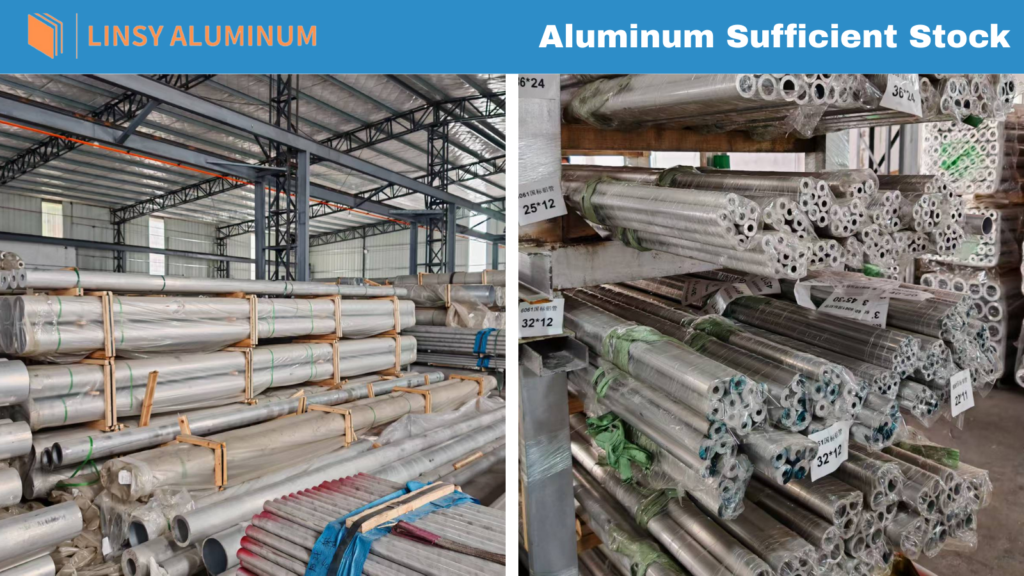
Les articles en stock peuvent être expédiés en quelques jours ouvrables. Les commandes de production personnalisée prennent généralement 10 à 60 jours, selon l'alliage, les dimensions, la complexité du traitement et le volume de commande.
Oui, les commandes d'échantillons sont prises en charge. Les dimensions standard des échantillons et leur disponibilité peuvent varier selon l'alliage et la forme du produit. Contactez Linsy pour discuter de vos besoins en échantillons.
Linsy accepte les paiements par T/T (virement bancaire) et L/C (lettre de crédit). Les conditions de paiement peuvent être discutées en fonction de la valeur de la commande et de la relation client.
Chaque commande comprend un MTC (certificat d'essai des matériaux) émis par Linsy Aluminum. Des rapports de tests tiers SGS (composition chimique, propriétés mécaniques, tests par ultrasons, RoHS + REACH) sont disponibles sur demande avec coût supplémentaire.
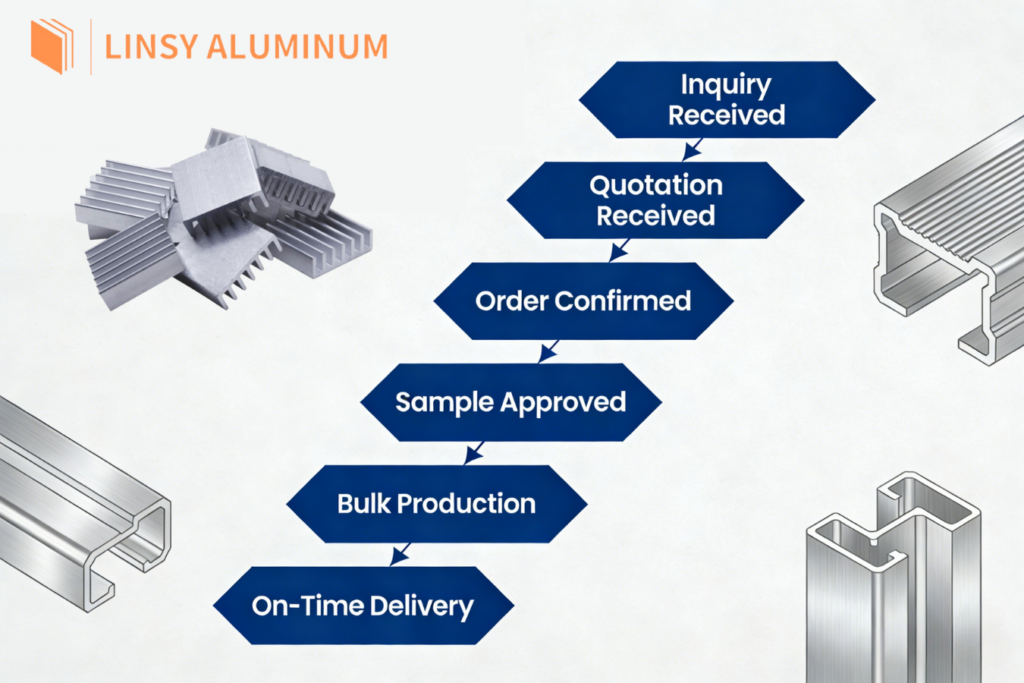
Contactez Linsy Aluminum via le formulaire de demande sur cette page, par e-mail ou par téléphone. Veuillez inclure l'alliage, la forme du produit, les dimensions, la quantité, le temper et toute exigence de traitement ou de certification pour obtenir un devis rapide.
Avantages pour Linsy
Linsy Aluminum est un fournisseur de premier plan de produits de transformation de l'aluminium, au service de diverses industries, notamment l'aérospatiale, l'ingénierie générale, l'automobile, la marine, la construction navale et d'autres applications industrielles spécialisées.
Nous nous engageons à respecter les normes les plus strictes en matière de qualité et de responsabilité environnementale, comme en témoignent nos certifications : ISO 9001:2008, ISO 14001:2004 et SGS.