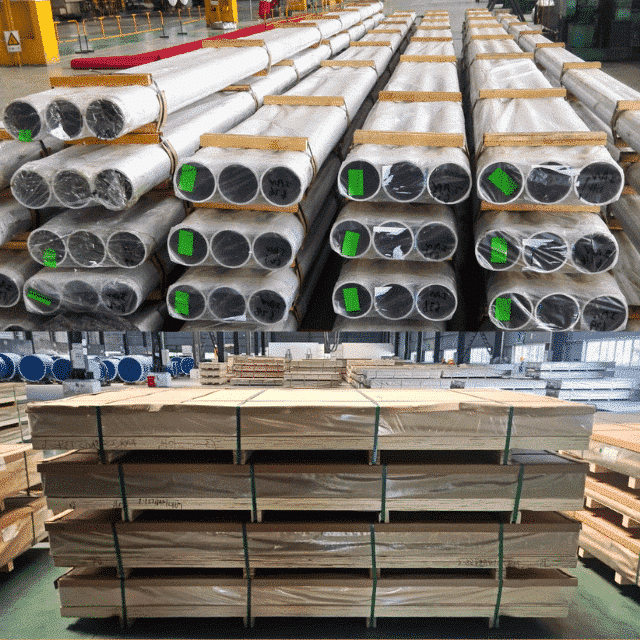

Die Aluminiumlegierung 3014 ist eine nicht aushärtbare Al-Mn-Legierung (3000er-Serie), die häufig für Wärmetauscherlamellen, Getränkedosenkörper, Dachbahnen, chemische Lagerbehälter und allgemeine Blechbearbeitung verwendet wird. Sie bietet hervorragende Korrosionsbeständigkeit, gute Umformbarkeit und mittlere Festigkeit – fester als Aluminium 1100 bei gleichzeitig herausragender Verarbeitbarkeit. Linsy liefert Aluminium 3014 als Blech, Coil, Platte, Rohr und Stange in den Zuständen O, H14, H16, H18 und H112, mit kundenspezifischen Abmessungen, Oberflächenveredelungsoptionen und MTC-Prüfzeugnissen für jede Bestellung.
Verfügbare Formulare: Blech / Coil / Platte / Rohr / Stange
Häufige Temperamente: O / H14 / H16 / H18 / H112
Unterstützung bei der Bearbeitung: CNC-Bearbeitung / Laserschneiden / WIG- und MIG-Schweißen / Eloxieren / Polieren
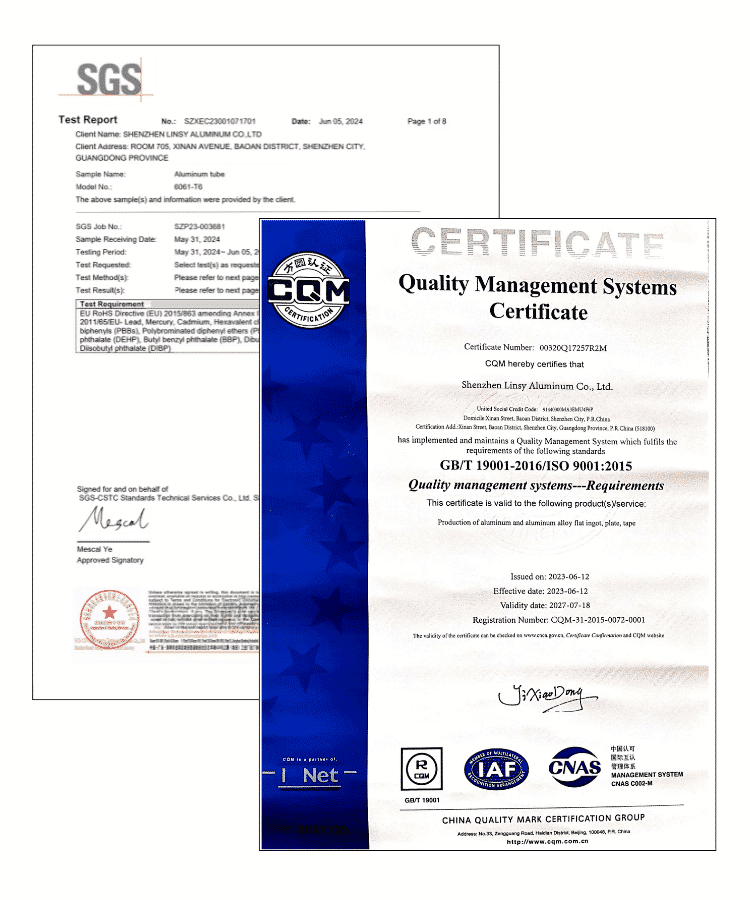
Qualitätsdokumente: MTC-Bericht bei jeder Bestellung, SGS-Prüfberichte auf Anfrage erhältlich
Die Aluminiumlegierung 3014 ist eine Al-Mn-Knetlegierung (Aluminium-Mangan) aus der 3000er-Serie. Sie ist als UNS A93014 genormt und eine nicht aushärtbare Legierung, die ihre mechanischen Eigenschaften durch Kaltverformung (Kaltverfestigung) erhält, ausgedrückt durch H-Zustandsbezeichnungen wie H14, H16 und H18. Dies unterscheidet sich grundlegend von aushärtbaren Legierungen wie 6061 oder 7075 – die Festigkeit von 3014 wird durch den Grad der Kaltreduzierung beim Walzen oder Umformen gesteuert.
Mit 1,0–1,5 % Mangan als primärem Legierungselement bietet 3014 eine etwa 10–15 % höhere Festigkeit als handelsübliches Reinaluminium 1100 bei gleichzeitig hervorragender Korrosionsbeständigkeit, Umformbarkeit und Schweißbarkeit. Die Kombination aus Festigkeit und Tiefziehfähigkeit macht 3014 besonders geeignet für gezogene Bauteile wie Getränkedosenkörper, Wärmetauscherrohre und Lamellenmaterial.
3014 kann nicht durch Wärmebehandlung verfestigt werden. Das Glühen (O-Zustand) stellt die volle Duktilität wieder her, während eine kontrollierte Kaltreduzierung die kaltverfestigten H1x-Zustände erzeugt. Dadurch ist 3014 ideal für Anwendungen mit umfangreichen Umformoperationen – Tiefziehen, Drücken, Stanzen und Rollformen.
| Bezeichnungssystem | Kennung von 3014 |
|---|---|
| UNS | A93014 |
| EN AW | 3014 / AlMn1CuSi |
| AA (Aluminiumverband) | 3014 |
| ISO | AlMn1CuSi |
| JIS | A3014 |
| GB (Chinesisch) | 3014 |
Aluminium 3014 wird nach folgenden internationalen Normen hergestellt:
Linsy liefert Aluminium 3014 in einer vollständigen Palette an Standard- und Sonderproduktformen. Abmessungen und Toleranzen können an Ihre Projektanforderungen angepasst werden.
| Formular | Temperament | Dicke (mm) | Breite (mm) | Länge (mm) |
|---|---|---|---|---|
| 3014 Blech / Coil | O, H14, H16, H18 | 0.3 – 6.0 | 500 – 2600 | 500 – 16000 |
| Formular | Temperament | Dicke (mm) | Breite (mm) | Länge (mm) |
|---|---|---|---|---|
| 3014 Platte | O, H112 | 6.0 – 150 | 500 – 2600 | 500 – 16000 |
| Formular | Temperament | Außendurchmesser (mm) | Wandstärke (mm) | Länge (mm) |
|---|---|---|---|---|
| 3014 Rohr | O, H14, H16, H18 | 6 – 200 | 1 – 50 | 1000 – 6000 |
| Formular | Temperament | Durchmesser (mm) | Länge (mm) |
|---|---|---|---|
| 3014 Stange (rund) | O, H14, H16, H18 | 3 – 200 | 1000 – 6000 |
Gemäß ASTM B209 und EN 573-3 lautet die chemische Zusammensetzung der Aluminiumlegierung 3014:
| Element | Min (%) | Max (%) |
|---|---|---|
| Silizium (Si) | — | 0.30 |
| Eisen (Fe) | — | 0.70 |
| Kupfer (Cu) | — | 0.30 |
| Mangan (Mn) | 1.0 | 1.5 |
| Magnesium (Mg) | — | 0.05 |
| Chrom (Cr) | — | 0.05 |
| Zink (Zn) | — | 0.10 |
| Titan (Ti) | — | 0.05 |
| Sonstige: jeweils | — | 0.05 |
| Sonstige: gesamt | — | 0.15 |
| Aluminium (Al) | Bilanz | — |
Die mechanischen Eigenschaften variieren erheblich je nach Zustand. Die folgenden Werte gelten gemäß ASTM B209 für Blechprodukte:
| Eigentum | Wert |
|---|---|
| Zugfestigkeit (MPa) | 130 – 175 |
| Streckgrenze (MPa) | ≥ 50 |
| Dehnung (%) | ≥ 18 |
| Eigentum | Wert |
|---|---|
| Zugfestigkeit (MPa) | 170 – 215 |
| Streckgrenze (MPa) | ≥ 140 |
| Dehnung (%) | ≥ 6 |
| Eigentum | Wert |
|---|---|
| Zugfestigkeit (MPa) | ≥ 215 |
| Streckgrenze (MPa) | ≥ 195 |
| Dehnung (%) | ≥ 3 |
| Temperament | Beschreibung | Wichtigster Vorteil | Typische Anwendungen |
|---|---|---|---|
| O | Geglüht – vollweich, maximale Duktilität | Beste Tiefziehfähigkeit | Wärmetauscherrohre, gezogene Dosenkörper, tiefgezogene Bauteile |
| H14 | Viertelhart – mittlere Festigkeit und Duktilität | Ausgewogene Festigkeit und Umformbarkeit | Allgemeine Blecharbeiten, Dachbahnen, Lagertanks |
| H16 | Halbhart – höhere Festigkeit, reduzierte Umformbarkeit | Gute Steifigkeit für strukturelle Anwendungen | Profilbleche, Strukturpaneele, Wandverkleidungen |
| H18 | Vollhart – maximale kaltverfestigte Festigkeit | Höchste Festigkeit in der nicht aushärtbaren Serie | Steife Bauteile, hochfeste Bleche, Lamellenmaterial |
| H112 | Wie hergestellt – minimale Kaltverfestigung | Strukturplatten mit verifizierten Eigenschaften | Strukturplatten, maritime Anwendungen, dicke Platten |
| Industrie | Anwendungen | Warum 3014 verwendet wird |
|---|---|---|
| Wärmetauscher & HLK | Lamellenmaterial, Rohre, Kondensatorschlangen, Verdampferpaneele | Hervorragende Wärmeleitfähigkeit, Korrosionsbeständigkeit und Umformbarkeit für das Lamellenstanzen |
| Verpackung & Getränke | Dosenkörper, Dosendeckel, Deckel, gezogene Behälter | Tiefziehfähigkeit in Kombination mit mittlerer Festigkeit für dünnwandige Behälter |
| Bauwesen & Bedachung | Profilbleche, Wandverkleidungspaneele, Abschlussbleche, Dachrinnen | Witterungsbeständigkeit und Umformbarkeit für rollgeformte Profile |
| Chemische Verarbeitung | Lagertanks, Druckbehälter, chemische Rohrleitungen | Beständigkeit gegen milde Chemikalien und atmosphärische Einflüsse |
| Küche & Haushalt | Kochgeschirr, Utensilien, Kochtöpfe, Backformen | Ungiftig, korrosionsbeständig, hervorragende Umformbarkeit für tiefgezogene Töpfe |
| Allgemeiner Maschinenbau | Blechbearbeitung, Halterungen, Gehäuse | Kostengünstig, leicht zu verarbeiten, gute Schweißbarkeit |
| Eigentum | 3014 | 1100 | 3003 | 3004 | 5052 | 6061 |
|---|---|---|---|---|---|---|
| Serie | 3xxx | 1xxx | 3xxx | 3xxx | 5xxx | 6xxx |
| Hauptlegierungselement | Mn + Cu + Si | — (reines Al) | Mn + Cu | Mn + Mg | Mg | Mg + Si |
| Zugfestigkeit-O (MPa) | 130–175 | 70–110 | 95–130 | 150–200 | 170–215 | ≤ 110 |
| Umformbarkeit (Tiefziehen) | Ausgezeichnet | Ausgezeichnet | Sehr gut | Ausgezeichnet | Gut | Schlecht |
| Korrosionsbeständigkeit | Sehr gut | Ausgezeichnet | Sehr gut | Sehr gut | Ausgezeichnet | Gut |
| Wärmebehandelbar | Nein | Nein | Nein | Nein | Nein | Ja (T6) |
| Schweißeignung | Sehr gut | Ausgezeichnet | Sehr gut | Sehr gut | Sehr gut | Gut |
| Typische Verwendung | Dosenkörper, Wärmetauscher | Elektrik, Chemie | Bedachung, Kochgeschirr | Dosenkörper, Bedachung | Marine, Blech | Konstruktion, Zerspanung |
Für detaillierte Legierungsvergleiche siehe 3104 vs. 3003 vs. 3004 Legierungen sowie unseren 3003 vs. 6061 Vergleichsleitfaden.
3014-Aluminium unterstützt eine Reihe von Verarbeitungs- und Oberflächenbehandlungsoptionen:
3014 hat einen etwas höheren Siliziumgehalt (bis zu 0,30 %) im Vergleich zu 3003 (bis zu 0,60 %), was 3014 eine geringfügig höhere Festigkeit verleiht. Beide sind nicht wärmebehandelbare Al-Mn-Legierungen mit hervorragender Umformbarkeit, jedoch wird 3014 häufiger für gezogene Dosenkörper und Wärmetauscherrippen verwendet, wo ein höheres Festigkeits-Umformbarkeits-Verhältnis erforderlich ist.
Nein. 3014 ist eine nicht wärmebehandelbare Legierung. Ihre Festigkeit stammt aus der Kaltverfestigung. Die einzige Möglichkeit, die mechanischen Eigenschaften zu verändern, ist das Glühen (O-Zustand) oder die Variation des Kaltreduktionsgrads zur Erzielung der Zustände H14, H16 oder H18.
Ja. Der 3014-O-Zustand bietet eine ausgezeichnete Tiefziehfähigkeit und macht sie zu einer der bevorzugten Legierungen für Getränkedosenkörper und gezogene Behälteranwendungen. Die Legierung behält auch im H14-Zustand eine gute Duktilität.
1100- oder 3003-Aluminium-Schweißzusatzstäbe werden für WIG- und MIG-Schweißen von 3014 empfohlen. Diese gewährleisten eine gute Schweißintegrität ohne Rissbildung. Vermeiden Sie die Verwendung von 4043 oder 5356 als Zusatzwerkstoff bei dünnem 3014-Blech, da diese das Korrosionsbeständigkeitsprofil verändern können.
3014 kann eloxiert werden, jedoch erzeugt der Mn-Gehalt einen grau-gelben Farbton statt einer klaren silbernen Oberfläche. Für dekorative oder farbkritische Anwendungen können Lackieren oder Pulverbeschichten konsistentere ästhetische Ergebnisse liefern.
Der Schmelzbereich der Aluminiumlegierung 3014 liegt bei ca. 640–655 °C (1184–1211 °F).
3014-Produkte werden durch ASTM B209 (Blech/Platte), ASTM B210 (gezogenes Rohr), ASTM B211 (Stange/Stab), ISO 6361, EN 485 und EN 573-3 abgedeckt. Diese Normen definieren die Grenzwerte der chemischen Zusammensetzung, die Bereiche der mechanischen Eigenschaften sowie die Maßtoleranzen.
Ja. 3014 weist eine sehr gute Beständigkeit gegen atmosphärische Korrosion und Süßwasser auf, ähnlich wie andere 3xxx-Al-Mn-Legierungen. Sie eignet sich gut für Außenanwendungen, Bedachung und chemische Lagertanks. Für eine dauerhafte Meerwassereintauchung ohne Schutzbeschichtung wird sie nicht empfohlen.
Linsy bietet niedrige Mindestbestellmengen für Standard-3014-Produkte an. Kundenspezifische Abmessungen und nicht standardmäßige Zustände können eine höhere Mindestmenge erfordern. Kontaktieren Sie uns für Details zur Mindestbestellmenge bezüglich Ihrer spezifischen Anforderungen.
Standard-3014-Produkte: 10–30 Tage. Sonderanfertigungen (nicht standardisierte Abmessungen, spezielle Vergütung): bis zu 60 Tage. Wir liefern weltweit mit dokumentierter Sendungsverfolgung.
Ja. Linsy kann Dicke, Breite, Länge und Toleranzen für 3014-Blech, -Coil, -Platte, -Rohr und -Stange individuell anpassen. Geben Sie Ihre Spezifikation an, und wir erstellen Ihnen ein entsprechendes Angebot.
Ja. Ein Werksprüfzeugnis (Mill Test Certificate) mit Angaben zu chemischer Zusammensetzung und mechanischen Eigenschaften ist jeder 3014-Bestellung gemäß ASTM/EN-Normen beigefügt.
Walzhaut, gebürstet, poliert, eloxiert (grau-gelber Farbton), lackiert und pulverbeschichtet. Die Verfügbarkeit variiert je nach Produktform und Vergütungszustand.
SGS-Prüfberichte sind auf Anfrage erhältlich. Geben Sie bei Ihrer Bestellung Ihre Prüfanforderungen an (Zusammensetzungsanalyse, mechanische Prüfung oder beides).
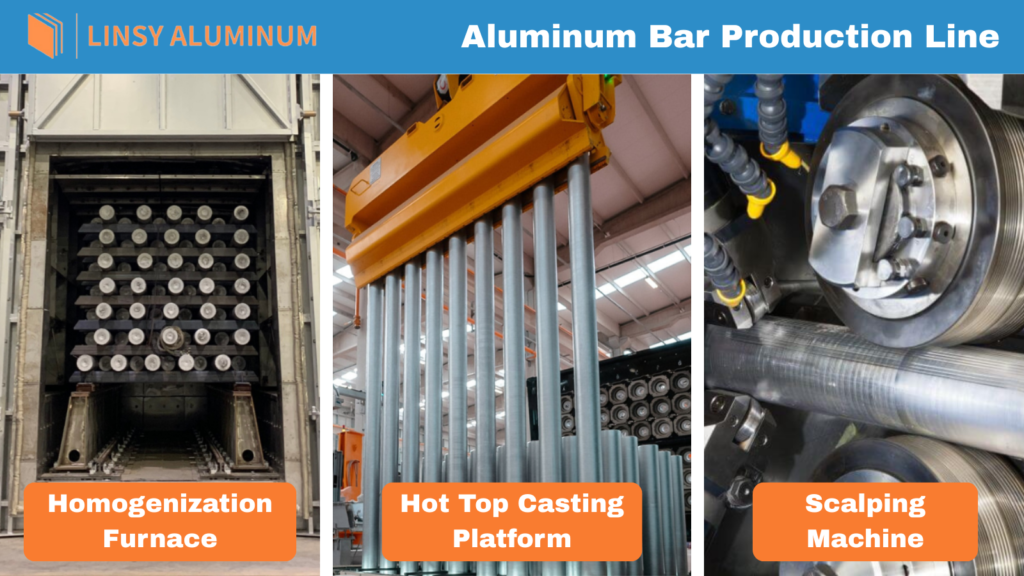
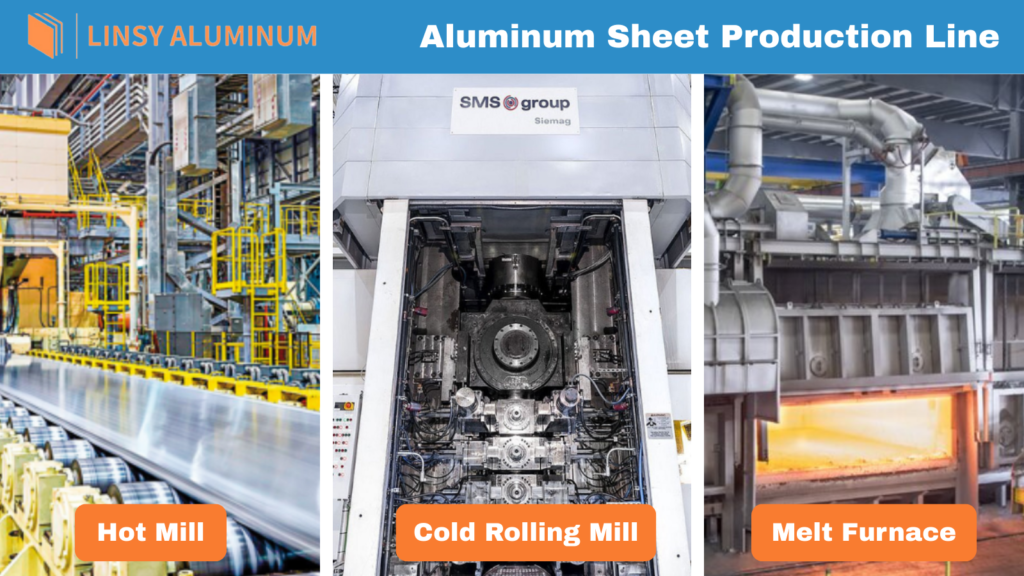
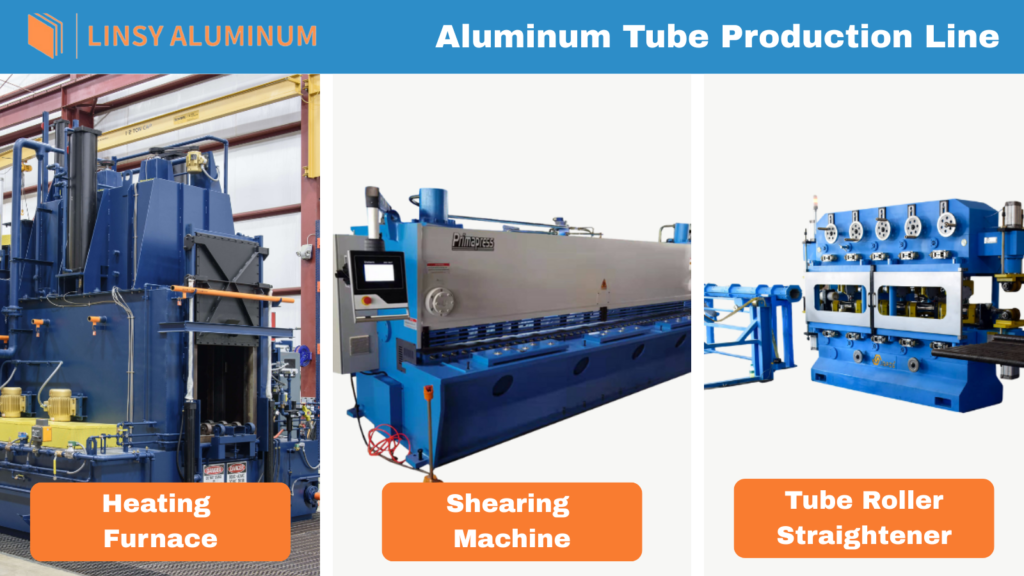
Linsy Vorteile
Linsy Aluminum ist ein führender Anbieter von Produkten für die Aluminiumverarbeitung und beliefert verschiedene Branchen wie die Luft- und Raumfahrt, den allgemeinen Maschinenbau, die Automobilindustrie, die Schifffahrt, den Schiffbau und andere spezialisierte industrielle Anwendungen.
Wir verpflichten uns, die höchsten Qualitäts- und Umweltstandards einzuhalten, was durch unsere Zertifizierungen belegt wird: ISO 9001:2008, ISO 14001:2004 und SGS.