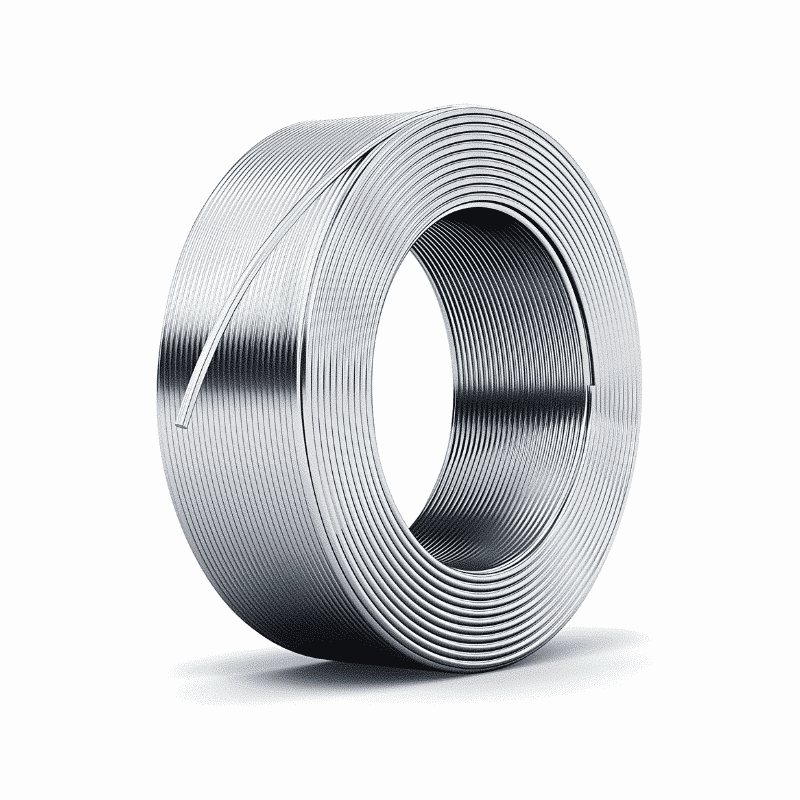
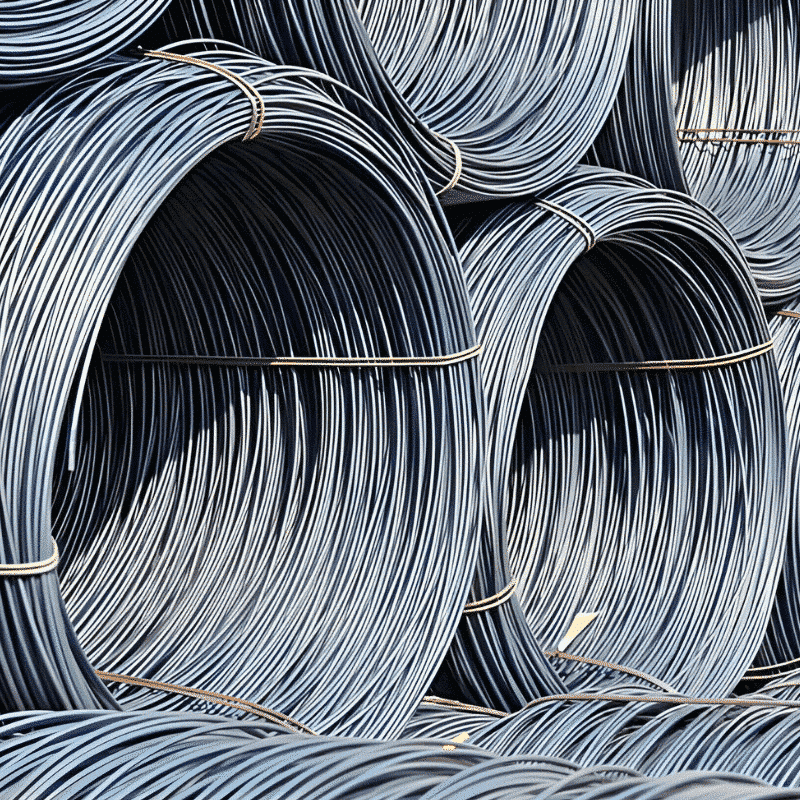


Le fil d'aluminium 2024 à l'état T3 et T4 offre une résistance à la traction élevée et une excellente résistance à la fatigue pour les rivets aérospatiaux, les fixations et les composants structurels. Disponible en diamètres de 0,8 mm à 30 mm en bobines ou en longueurs coupées, avec certificat d'essai des matériaux (MTC) inclus avec chaque commande.
Formulaires disponibles : bobine / dévidoir / longueur coupée
Tempéraments courants : T3 / T4
Plage de diamètres : 0,8–30 mm
Assistance technique : dressage / coupe / bobinage
Documents relatifs à la qualité : Rapport MTC joint à chaque commande
Le fil d'aluminium 2024 est étiré à partir de l'alliage 2024 — un alliage durcissable par traitement thermique renforcé par Cu-Mg-Mn, appartenant à la série 2xxx. Sous forme de fil, il est principalement produit à l'état T3 (écroui puis vieilli naturellement) et T4 (mis en solution puis vieilli naturellement), les deux états offrant une résistance à la traction élevée et de bonnes performances en fatigue. Le fil est largement utilisé pour les rivets aérospatiaux et les fixations structurelles lorsqu'une solution de fixation légère et à haute résistance est requise.
Par rapport aux autres nuances de fil d'aluminium, le 2024 offre l'un des meilleurs rapports résistance/poids de la série 2xxx. Sa teneur en cuivre (3,8–4,9 %) confère à l'alliage une forte capacité de durcissement par précipitation, tandis que les ajouts de manganèse et de magnésium améliorent la structure du grain et la résistance à la corrosion dans des conditions spécifiques.
| Diamètre (mm) | Formulaire | État disponible | Poids typique de la bobine |
|---|---|---|---|
| 0,8–5,0 | Couronne / Bobine | T3, T4 | 50–100 kg |
| 5,1–12,0 | Bobine / Longueur coupée | T3, T4 | 50–200 kg |
| 12,1–30,0 | Bobine / Longueur coupée | T3, T4 | 100–300 kg |
Des diamètres personnalisés et des poids de bobine sur mesure sont disponibles sur demande. Les quantités minimales de commande (MOQ) sont flexibles pour les tailles standard.
| Spécifications | Standard |
|---|---|
| Composition chimique | ASTM B211, EN 573-3, GB/T 3190 |
| Propriétés mécaniques | ASTM B211, AMS 4101 |
| Tolérance dimensionnelle | ±0,02 mm (standard), tolérances plus serrées disponibles |
| Marquage et emballage | Selon les spécifications du client |
| Désignation | Standard |
|---|---|
| 2024 | AA / ASTM |
| EN AW-2024 | EN 573 |
| A92024 | UNS |
| LY12 (approx.) | GB (ancien) |
La désignation 2024 est largement reconnue dans les systèmes ASTM, EN et UNS. LY12 est une ancienne désignation chinoise avec une composition similaire mais non identique ; vérifier l'équivalence pour les applications critiques.
| Élément | Pourcentage (%) |
|---|---|
| Si | 0,50 max |
| Fe | 0,50 max |
| Cu | 3,8–4,9 |
| Mn | 0,3–0,9 |
| Mg | 1,2–1,8 |
| Cr | 0,10 max |
| Zn | 0,25 max |
| Autres éléments (chacun) | 0,05 max |
| Autres éléments (total) | 0,15 max |
| Al | Équilibre |
Source : ASTM B209 / EN 573-3. Les valeurs correspondent aux limites typiques pour la désignation d'alliage 2024.
| Tempérer | Résistance à la traction (MPa) | Limite d'élasticité (MPa) | Élongation (%) | Conductivité électrique (% IACS) |
|---|---|---|---|---|
| T3 | 470 | 325 | 10–15 | 30 |
| T4 | 435 | 280 | 12–18 | 30 |
L'état T3 (écroui après mise en solution, puis vieilli naturellement) offre la résistance à la traction la plus élevée. L'état T4 (mis en solution, puis vieilli naturellement sans écrouissage) offre une résistance légèrement inférieure mais une élongation supérieure. Les deux états sont couramment spécifiés pour le fil de rivets aérospatiaux.
Données supplémentaires sur les états (pour référence — d'autres états peuvent ne pas être standard pour le fil) :
| Tempérer | Résistance à la traction (MPa) | Limite d'élasticité (MPa) | Allongement A50 (%) |
|---|---|---|---|
| O | ≤220 | ≤95 | 12–18 |
| T6 | 430 | 310 | 5–8 |
| T851 | 455 | 350 | 3–5 |
Les valeurs O et T6/T851 ci-dessus sont typiques pour les produits en tôle/barre ; la disponibilité sous forme de fil doit être confirmée auprès du fournisseur.
Le T3 est l'état le plus courant pour le fil de rivets 2024. Après mise en solution, le fil est étiré à froid jusqu'au diamètre final puis vieilli naturellement. Ce procédé produit la résistance à la traction la plus élevée parmi les états standard du fil, ce qui le rend adapté aux rivets aérospatiaux devant supporter des charges de cisaillement élevées. L'écrouissage améliore également la précision dimensionnelle.
Le fil T4 est mis en solution et vieilli naturellement sans écrouissage supplémentaire après le traitement thermique. Il offre une bonne résistance avec une ductilité supérieure, ce qui peut être avantageux pour les opérations de formage ou lorsqu'une légère augmentation de l'élongation est nécessaire. Le T4 est également utilisé lorsque l'étirage à froid après traitement thermique est impractical pour le diamètre requis.
Avec une résistance à la traction de 470 MPa à l'état T3, le fil 2024 offre une résistance comparable à celle de nombreux aciers pour environ un tiers de la densité. Cela en fait un choix privilégié pour les applications aérospatiales et de transport sensibles au poids.
Le mécanisme de renforcement Cu-Mg-Mn de l'alliage 2024 lui confère des performances de fatigue supérieures par rapport aux alliages non durcissables par traitement thermique. Ceci est critique pour les rivets et les fixations soumis à des charges cycliques dans les structures aéronautiques.
Aux états T3 et T4, l'aluminium 2024 présente une bonne usinabilité. Il peut être facilement coupé, refoulé et formé sur des machines à décolleter de précision, ce qui le rend adapté à la production de fixations.
L'alliage 2024 présente une résistance modérée à la corrosion dans de nombreux environnements, mais il est sensible à la corrosion sous contrainte dans les états T3/T4 dans certaines conditions. Pour les applications exposées ou marines, des revêtements protecteurs, une anodisation ou un fil Alclad doivent être envisagés. Une corrosion intergranulaire peut également se produire si le traitement thermique n'est pas correctement contrôlé.
Le fil 2024-T3/T4 est généralement fourni à l'état étiré avec une surface lisse et brillante. Les options de traitement supplémentaires comprennent :
Le soudage du fil 2024 n'est pas recommandé pour les applications structurelles sans traitement thermique approprié ultérieur, car le soudage détruit la structure durcie par précipitation. Le soudage par résistance (soudage par points) peut être acceptable pour les joints non critiques.
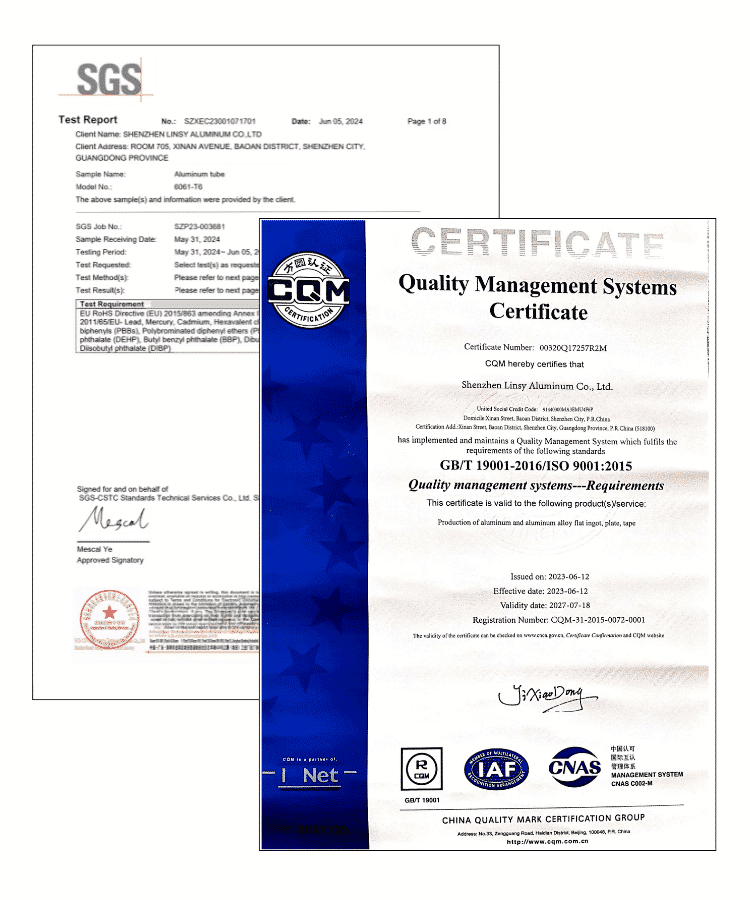
Chaque commande de fil d'aluminium 2024 de Linsy est accompagnée de :
Des rapports de tests par des tiers (par exemple, SGS) sont disponibles sur demande. Linsy opère sous les certifications de systèmes de management ISO 9001, ISO 14001 et ISO 45001.
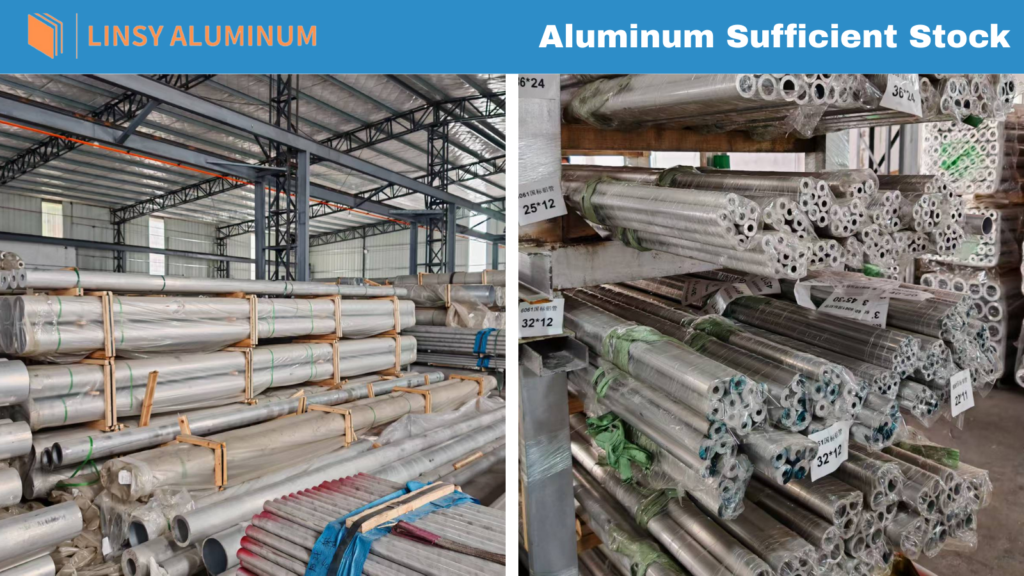
Linsy Aluminum fournit du fil 2024-T3/T4 avec une documentation MTC complète et une traçabilité. Principaux avantages pour les acheteurs de fil :
Le délai de livraison pour les tailles standard est généralement de 10 à 60 jours selon la quantité et les spécifications. Les exigences personnalisées peuvent nécessiter un temps de production supplémentaire.
Le fil T3 est étiré à froid après traitement thermique de mise en solution, puis vieilli naturellement. Le fil T4 est traité thermiquement en solution et vieilli naturellement sans écrouissage après traitement thermique. Le T3 a une résistance à la traction plus élevée (470 MPa contre 435 MPa) mais un allongement plus faible. Le T4 a une résistance légèrement inférieure avec une meilleure ductilité.
La gamme de diamètres standard est de 0,8 à 30 mm. Des diamètres personnalisés en dehors de cette gamme peuvent être disponibles sur demande.
L'alliage 2024 a une résistance modérée à la corrosion mais n'est pas idéal pour une exposition marine directe sans revêtement protecteur. Pour les rivets marins, envisagez le fil Alclad 2024 ou un alliage alternatif tel que le 5056.
Les normes courantes comprennent l'ASTM B211 (barres, tiges et fils), l'AMS 4101 (spécification de matériaux aérospatiaux), l'EN 573-3 (composition chimique) et la GB/T 3191 (norme chinoise pour les barres et fils extrudés).
Le soudage du fil 2024 n'est généralement pas recommandé pour les applications structurelles. La chaleur du soudage détruit la structure durcie par précipitation. Le soudage par points par résistance peut être acceptable pour les joints non critiques, mais un traitement thermique après soudage est nécessaire pour restaurer les propriétés.
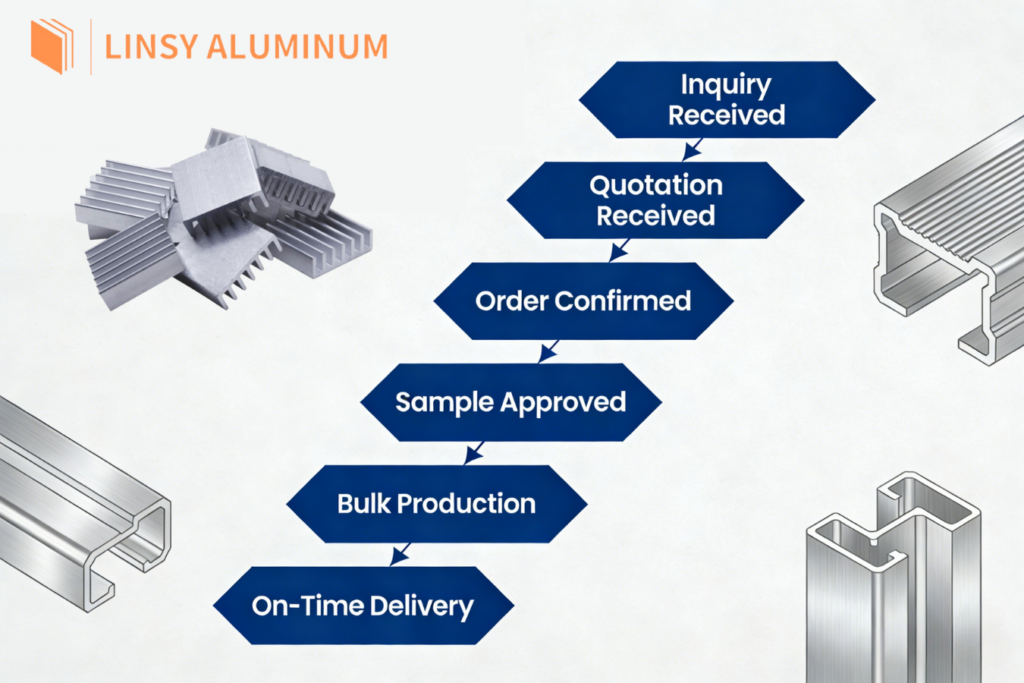
Soumettez vos spécifications (diamètre, état métallurgique, poids de bobine ou longueur coupée, quantité et destination de livraison) via notre formulaire de contact ou par e-mail. Nous répondrons avec un devis détaillé comprenant les prix, le délai de livraison et les options d'expédition.
Les quantités minimales de commande sont flexibles pour les tailles et états métallurgiques standard. Les spécifications personnalisées peuvent nécessiter un minimum plus élevé. Contactez notre équipe commerciale pour plus de détails.
Chaque commande comprend un certificat d'essai en usine (MTC) avec la composition chimique, les propriétés mécaniques et la vérification de l'état métallurgique. Des rapports de tests par des tiers SGS sont disponibles sur demande.
Tailles standard : 10 à 60 jours selon la quantité. Les spécifications personnalisées peuvent nécessiter un temps de production supplémentaire. Contactez-nous pour une estimation de livraison précise.
Oui, Linsy livre dans plus de 20 pays. L'emballage d'exportation standard protège le fil pendant le transport. Les coûts d'expédition et les délais de transit varient selon la destination.
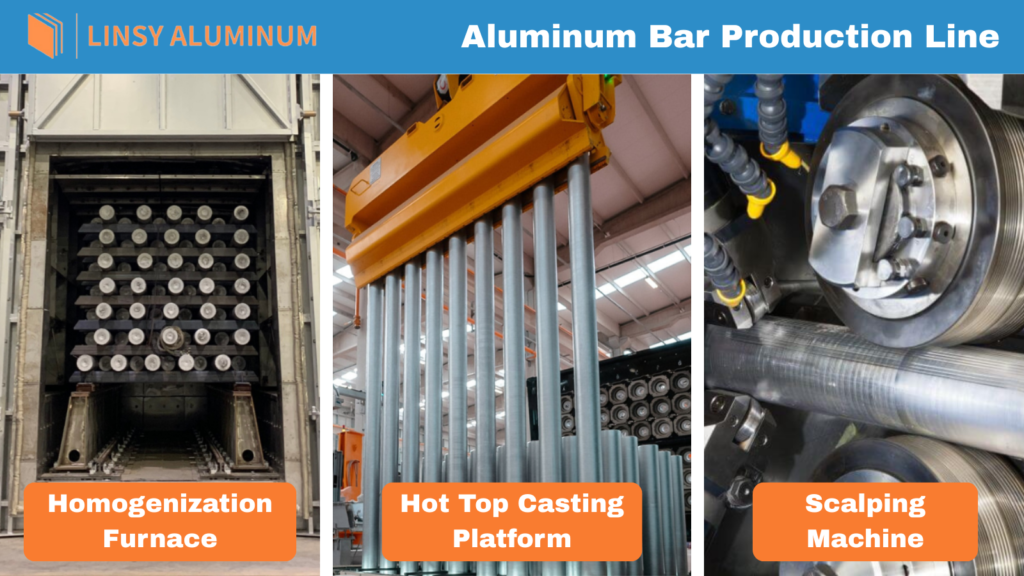
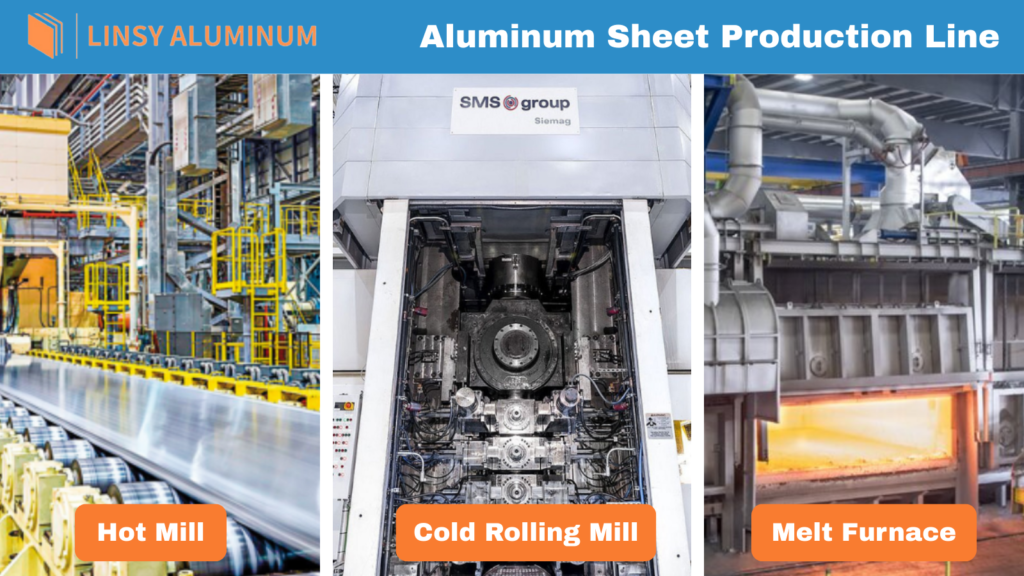
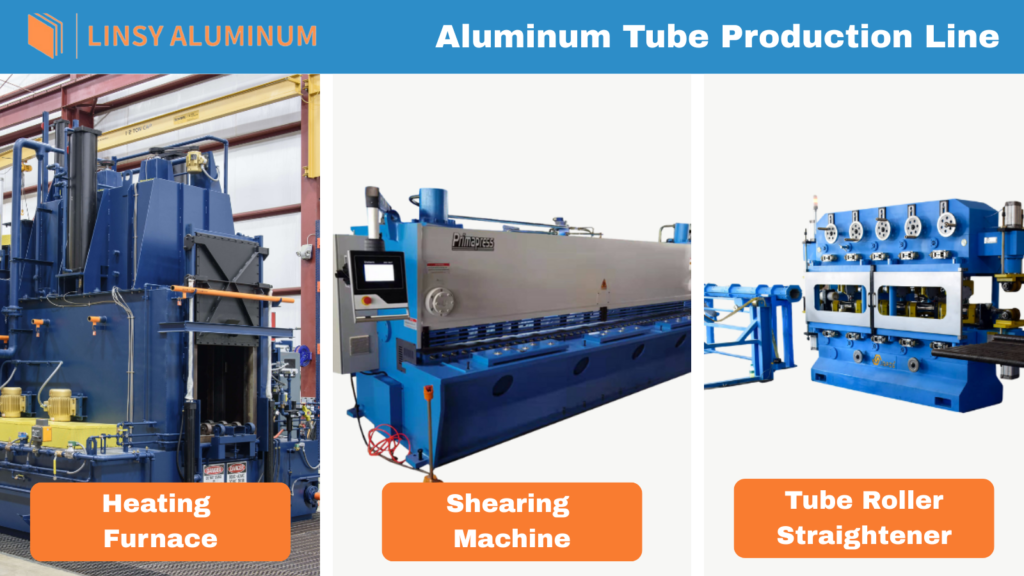
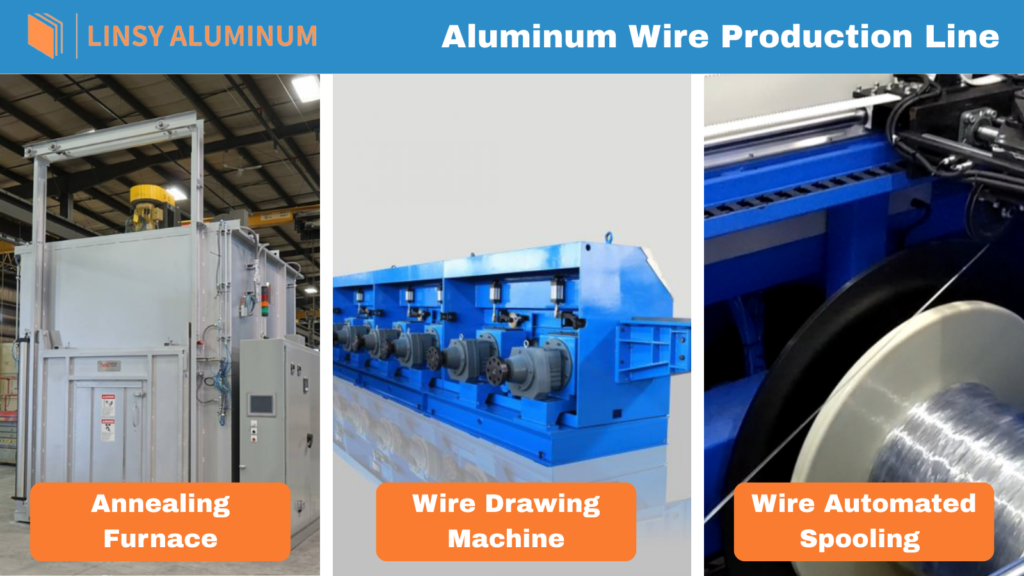
Avantages pour Linsy
Linsy Aluminum est un fournisseur de premier plan de produits de transformation de l'aluminium, au service de diverses industries, notamment l'aérospatiale, l'ingénierie générale, l'automobile, la marine, la construction navale et d'autres applications industrielles spécialisées.
Nous nous engageons à respecter les normes les plus strictes en matière de qualité et de responsabilité environnementale, comme en témoignent nos certifications : ISO 9001:2008, ISO 14001:2004 et SGS.