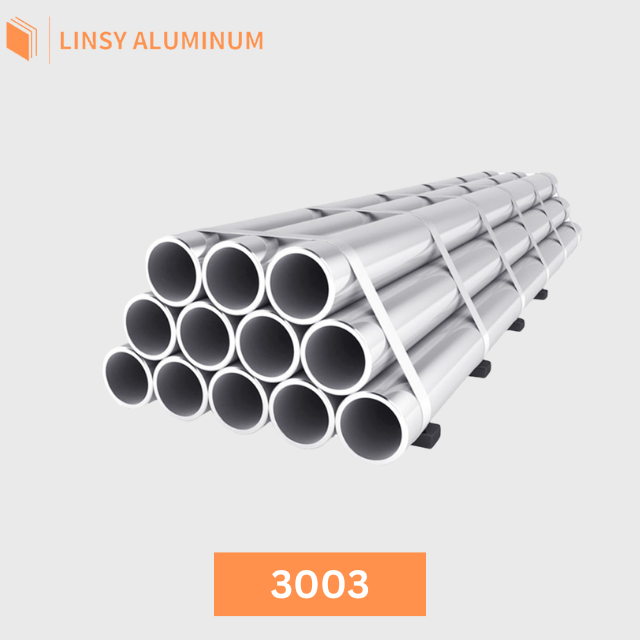


Le tube rond en aluminium 3003 combine la résistance à la corrosion et l'aptitude au formage éprouvées de la famille d'alliages Al-Mn 3003 avec les avantages structurels et de manutention des fluides de la forme tubulaire. Fournis en états O (recuit), H14 (demi-dur) et H22 (écroui et partiellement recuit), les tubes ronds en 3003 sont largement spécifiés pour les échangeurs de chaleur, les lignes hydrauliques, les équipements de traitement chimique et les tubes structurels à usage général où une résistance modérée et une excellente soudabilité sont requises. Linsy propose des tubes ronds en 3003 avec des diamètres extérieurs de 6 mm à 300 mm et des épaisseurs de paroi de 0,5 mm à 30 mm, coupés à la longueur spécifiée. Chaque expédition comprend un certificat d'essai complet en usine (MTC), et des rapports d'essai SGS par un tiers sont disponibles sur demande. Pour les projets impliquant une fabrication ultérieure, nos services internes d'usinage CNC, de soudage TIG/MIG, de polissage et d'anodisation peuvent fournir des ensembles de tubes finis prêts à l'installation.
Formulaires disponibles : Tube rond (DE 6–300 mm, EP 0,5–30 mm)
Tempéraments courants : O / H14 / H22
Assistance technique : Usinage CNC / coupe sur mesure / polissage / anodisation
Documents relatifs à la qualité : Rapport MTC joint à chaque commande
Tube rond en aluminium 3003 est un produit cylindrique creux fabriqué à partir de l'alliage corroyé 3003 Al-Mn largement utilisé. Avec 1,0 à 1,5 % de manganèse comme principal élément d'alliage, le 3003 offre environ 20 % de résistance en plus que l'aluminium 1100 commercialement pur tout en conservant une excellente résistance à la corrosion, une excellente aptitude au formage et une excellente soudabilité. En tant qu'alliage non traitable thermiquement, le 3003 tire ses propriétés mécaniques de l'écrouissage, les états O (entièrement recuit), H14 (demi-dur) et H22 (écroui et partiellement recuit) étant les plus couramment spécifiés pour les applications de tubes. La forme tubulaire offre un excellent rapport résistance/poids pour le transport de fluides, les cadres structurels et les fonctions d'échange thermique, tandis que la résistance inhérente à la corrosion de l'alliage élimine le besoin de revêtements protecteurs dans la plupart des environnements intérieurs et extérieurs abrités. Les tubes ronds en 3003 sont également hautement compatibles avec toutes les méthodes de soudage courantes et peuvent être cintrés, évasés et formés aux extrémités sans fissuration dans les états O ou H22.
Linsy fournit des tubes ronds en aluminium 3003 dans une gamme pratique de diamètres extérieurs, d'épaisseurs de paroi et d'états. Les dimensions standard en stock sont indiquées ci-dessous. Des combinaisons DE/EP personnalisées, des tolérances plus serrées et des longueurs de coupe spécifiques sont disponibles sur demande.
| Alliage | Tempérer | Diamètre extérieur (mm) | Épaisseur de la paroi (mm) | Longueur (mm) | Standard |
|---|---|---|---|---|---|
| 3003 | O | 6–200 | 0.5–20 | 1000–6000 | ASTM B483 / ASTM B210 |
| 3003 | H14 | 6–250 | 0.5–25 | 1000–6000 | ASTM B483 / ASTM B210 |
| 3003 | H16 | 8–200 | 1.0–20 | 1000–6000 | ASTM B483 / ASTM B210 |
| 3003 | H18 | 8–150 | 1.0–15 | 1000–6000 | ASTM B483 / ASTM B210 |
| 3003 | H22 | 6–200 | 0.5–20 | 1000–6000 | ASTM B483 / ASTM B210 |
Pour les diamètres plus grands (jusqu'à 300 mm de DE) ou les épaisseurs de paroi plus lourdes, veuillez contacter notre équipe commerciale avec vos spécifications. Les tailles non standard nécessitent généralement 20 à 40 jours pour la production, tandis que les dimensions en stock sont expédiées sous 7 à 15 jours.
Les tolérances dimensionnelles standard sont conformes à l'ASTM B483 (tube étiré sans soudure) ou à l'ASTM B210 (tube étiré), selon le procédé de production :
Des tolérances plus serrées sont disponibles pour les applications de précision. Veuillez spécifier vos exigences de tolérance lors de la demande de devis.
Le tube rond en aluminium 3003 est produit conformément aux normes internationales reconnues. Le tableau ci-dessous fournit des références croisées pour l'approvisionnement mondial.
| Norme / Région | Désignation |
|---|---|
| ASTM (États-Unis) | 3003 (ASTM B483 / B210) |
| EN (Europe) | EN AW-3003 / EN AW-Al Mn1Cu |
| GB/T (Chine) | 3003 (GB/T 4436 / GB/T 3191) |
| JIS (Japon) | A3003 |
| ISO | AlMn1Cu |
Les tubes ronds Linsy en 3003 sont produits conformément à l'ASTM B483 / ASTM B210 et à l'EN 755 le cas échéant. Si votre projet nécessite une norme nationale spécifique ou des exigences d'essai supplémentaires, veuillez les spécifier lors de la demande de devis afin que nous puissions confirmer la conformité et la documentation.
La composition chimique de l'alliage d'aluminium 3003 est conforme aux exigences de l'ASTM B483 et de l'EN 573-3. Le tableau ci-dessous indique les limites nominales pour chaque élément.
| Élément | Contenu (%) |
|---|---|
| Silicium (Si) | 0,6 max |
| Fer (Fe) | 0,7 max |
| Cuivre (Cu) | 0.05–0.20 |
| Manganèse (Mn) | 1.0–1.5 |
| Zinc (Zn) | 0,10 max |
| D'autres, chacun | 0,05 max |
| Autres, total | 0,15 max |
| Aluminium (Al) | Équilibre |
Le manganèse (1,0–1,5 %) est l'élément d'alliage déterminant, offrant l'avantage de résistance par rapport à l'aluminium 1100. La teneur en cuivre (0,05–0,20 %) contribue à un effet de renforcement supplémentaire modeste. Le fer et le silicium sont présents comme impuretés contrôlées. Le magnésium, le chrome et le titane ne sont pas ajoutés intentionnellement au 3003 et sont inclus dans les limites “ Autres ”. Chaque coulée est vérifiée par rapport à ces limites de composition et documentée dans le MTC fourni avec votre commande.
Les propriétés mécaniques du tube rond en aluminium 3003 dépendent de l'état. En tant qu'alliage non traitable thermiquement, les propriétés sont développées par écrouissage (durcissement par déformation). L'état O offre une ductilité maximale pour les opérations de cintrage et d'évasement, tandis que les états plus élevés offrent une résistance progressivement plus grande au détriment de l'aptitude au formage. L'état H22 (écroui et partiellement recuit) offre une résistance similaire au H14 mais avec une ductilité améliorée — un choix privilégié lorsque le formage après fabrication est requis.
| Tempérer | Résistance à la traction (MPa) | Limite d'élasticité (MPa) | Élongation (%) | Dureté (HB) |
|---|---|---|---|---|
| O | 95–130 | 35 min | 23–30 | 28 |
| H12 | 120–155 | 85 min | 10–20 | 35 |
| H14 | 140–180 | 115 min | 8–16 | 40 |
| H16 | 165–205 | 145 min | 5–14 | 47 |
| H18 | 185 min | 165 min | 4–10 | 55 |
| H22 | 120–155 | 85 min | 10–20 | 35 |
Les valeurs indiquées sont typiques selon l'ASTM B483 / ASTM B210. Les valeurs réelles peuvent varier en fonction des dimensions du tube et du procédé de production (sans soudure vs étiré-soudé). Contactez notre équipe pour des propriétés mécaniques garanties pour votre combinaison spécifique DE/épaisseur de paroi.
Le choix du bon état dépend de ce qui arrive au tube après réception. Sera-t-il cintré, évasé, soudé ou utilisé tel quel ? Le guide ci-dessous aide à faire correspondre l'état à votre processus en aval :
| Tempérer | État | Meilleur pour |
|---|---|---|
| O | Entièrement recuit, le plus doux | Cintrage sévère, évasement, sertissage et formage des extrémités. Idéal pour les ensembles de tubes qui subiront une déformation importante pendant la fabrication. Meilleur choix pour les tubes d'échangeur de chaleur à ajustement par expansion. |
| H14 | Écroui, demi-dur | Tubes structurels et de fluides à usage général. Bon équilibre entre résistance et aptitude modérée au formage. L'état le plus couramment stocké pour les tubes ronds en 3003. Convient aux cintrages simples et au formage léger des extrémités. |
| H16 | Écroui, 3/4 dur | Rigidité améliorée pour les portées non soutenues plus longues. Aptitude au formage réduite — éviter les cintrages à petit rayon dans cet état. Bon pour les lignes de fluides droites et les sections de tubes structurels. |
| H18 | Écroui, plein dur | Résistance maximale disponible dans les tubes en 3003. Meilleure usinabilité. Non recommandé pour le cintrage ou le formage. Utiliser pour les sections de tubes droites où un rapport rigidité/poids élevé est la priorité. |
| H22 | Écroui et partiellement recuit | Résistance presque identique au H14 mais avec une ductilité significativement meilleure. L'état de référence lorsque les tubes doivent être cintrés ou évasés après coupe à longueur. Privilégié pour les applications de lignes hydrauliques et pneumatiques. |
Si votre application implique un cintrage après réception, envisagez sérieusement les états O ou H22. Pour les tubes droits qui ne seront pas formés, le H14 offre le meilleur rapport coût-performance.
Les tubes ronds en 3003 résistent à la corrosion atmosphérique, à une exposition chimique légère et à l'humidité sans nécessiter de revêtements protecteurs. Cela en fait un choix fiable pour les lignes de fluides exposées, les tubes structurels extérieurs et les équipements utilisés dans les environnements de transformation alimentaire ou chimique. La couche naturelle d'oxyde d'aluminium offre une protection inhérente, et l'alliage est compatible avec l'anodisation décorative pour les applications où l'apparence compte autant que la performance anticorrosion.
Dans les états O et H22, les tubes en 3003 peuvent être cintrés à froid, évasés, rétreints et formés aux extrémités sans fissuration. Ceci est particulièrement important pour les ensembles de tubes d'échangeur de chaleur et la fabrication de lignes hydrauliques, où les extrémités des tubes doivent être expansées ou serties pour former des joints mécaniques étanches. Même à l'état H14, des cintrages à rayon modéré sont réalisables avec un outillage approprié.
Le tube en aluminium 3003 se soude de manière fiable avec les procédés TIG (GTAW) et MIG (GMAW). Les métaux d'apport recommandés sont le 1100 ou le 4043. Contrairement aux alliages traitables thermiquement, le 3003 ne nécessite aucun traitement thermique après soudage, et la zone affectée thermiquement conserve une bonne résistance à la corrosion. Les procédés de production étiré-soudé sont courants pour les tubes en 3003, produisant des tubes avec des propriétés comparables aux produits sans soudure pour la plupart des applications.
Avec environ 20 % de résistance en plus que le tube en aluminium 1100, le 3003 offre une amélioration significative de la capacité de charge et de résistance à la pression sans la prime de coût des alliages des séries 5xxx ou 6xxx. Pour les applications générales de tubes de fluides et structurels où les niveaux de résistance du 6061-T6 ne sont pas nécessaires, le 3003 offre le choix le plus économique.
Le 3003 ne peut pas être renforcé par traitement thermique. Toutes les propriétés mécaniques proviennent de l'écrouissage lors de l'étirage du tube. Cela signifie que les tubes en 3003 se ramolliront s'ils sont exposés à des températures soutenues supérieures à environ 340 °C (645 °F), comme lors du brasage ou de certains cycles de cuisson de revêtements. Si le maintien de la résistance à température élevée est requis, envisagez plutôt un tube en 5052-O ou 6061-T6.
La combinaison de la résistance à la corrosion, de l'aptitude au formage et de la résistance modérée fait du tube rond en 3003 un matériau polyvalent dans de nombreuses industries. Les applications typiques comprennent :
Le tube rond en 3003 aux états H14 à H18 s'usine avec un contrôle des copeaux de moyen à bon. Les états écrouis produisent un état de surface plus propre et des copeaux plus courts que l'état recuit O. Utilisez un outillage en carbure avec une géométrie de coupe positive et un débit de liquide de refroidissement adéquat. Pour les opérations de tournage et de surfaçage en production sur les extrémités de tubes, l'évacuation des copeaux est importante — envisagez des cycles de picotage pour les opérations d'alésage profond. La coupe des tubes à longueur est généralement effectuée avec des scies circulaires ; l'ébavurage et le chanfreinage sont recommandés comme étapes standard après coupe.
Le cintrage à froid des tubes aux états O et H22 atteint des rayons de cintrage sur l'axe aussi serrés que 1,5 × DE sans fissuration ni amincissement significatif de la paroi. Pour l'état H14, un rayon de cintrage minimal de 2,5 × DE est recommandé. Le cintrage sur mandrin est préféré pour les tubes à paroi mince (épaisseur de paroi inférieure à 10 % du DE) afin d'éviter le flambage sur le rayon intérieur. Pour les cintrages à rayon serré en matériau H14, envisagez un recuit localisé ou spécifiez l'état H22 comme alternative prête pour la production.
Le tube rond 3003 se soude facilement par les procédés TIG et MIG. Les métaux d'apport 1100 et 4043 sont tous deux compatibles ; le 4043 offre une meilleure fluidité et réduit le risque de fissuration à chaud. Pour le soudage bout à bout des joints de tubes, assurez-vous d'avoir des extrémités coupées à angle droit, ébavurées et un bon ajustement. La zone affectée par la chaleur reviendra à l'état recuit (O), les assemblages soudés doivent donc être conçus pour le niveau de résistance à l'état brut de soudage. Le soudage tube-plaque tubulaire (comme dans la fabrication d'échangeurs de chaleur) est courant avec le 3003.
Les tubes ronds 3003 sont fournis avec une finition de laminage brut en standard. Des traitements de surface supplémentaires sont disponibles :
Chaque expédition de tube rond en aluminium 3003 de Linsy comprend un Certificat d'essai en usine (MTC) documentant le numéro de coulée, la composition chimique, les propriétés mécaniques et les résultats de contrôle dimensionnel pour votre lot spécifique. Notre système de gestion de la qualité est certifié ISO 9001, garantissant une traçabilité complète de la billette au tube fini.
Services qualité supplémentaires disponibles :
Linsy Aluminum est une usine d'aluminium basée à Shenzhen avec plus de 20 ans d'expérience dans la fourniture de produits en aluminium à des clients dans plus de 20 pays. Notre programme de tubes ronds 3003 combine une production fiable, un service flexible et des délais compétitifs :
Pour plus d'informations techniques sur l'alliage d'aluminium 3003 et des comparaisons avec d'autres nuances, consultez les articles suivants du Linsy Knowledge Hub :
Q : Quelle est la différence entre le tube rond 3003-H14 et 3003-H22 ?
R : Les deux états offrent des niveaux de résistance similaires, mais ils atteignent cette résistance par des voies de traitement différentes. Le H14 est uniquement écroui (demi-dur), tandis que le H22 est écroui puis partiellement recuit. Le recuit partiel du H22 améliore la ductilité, ce qui en fait le meilleur choix lorsque les tubes doivent être cintrés, évasés ou formés aux extrémités après coupe à longueur. Le H14 est plus couramment stocké et convient aux applications de tubes en ligne droite ou aux cintrages simples.
Q : Le tube rond en aluminium 3003 peut-il être utilisé pour des applications sous pression ?
R : Oui, le tube 3003 convient aux services de fluides à basse et moyenne pression. La pression de service admissible dépend du diamètre du tube, de l'épaisseur de paroi, de l'état, de la température de service et du code de conception applicable. Pour les applications sous pression, nous recommandons de spécifier l'essai hydrostatique dans le cadre de votre commande et de fournir votre pression de conception et vos exigences de facteur de sécurité afin que nous puissions confirmer les dimensions de tube appropriées.
Q : Quelles sont les tolérances standard des tubes ?
R : Les tolérances standard selon ASTM B483 ou ASTM B210 s'appliquent. Les tolérances typiques du diamètre extérieur vont de ±0,08 mm (petits diamètres) à ±0,5 % du diamètre extérieur nominal (plus grands diamètres). La tolérance d'épaisseur de paroi est généralement de ±10 % du nominal. Des tolérances plus serrées sont disponibles sur demande pour les applications de précision — veuillez spécifier vos exigences lors de la commande.
Q : Le tube rond 3003 est-il adapté au brasage ?
R : Le 3003 peut être brasé, mais les températures de brasage (généralement 570–620 °C) recuiront le tube, réduisant la résistance au niveau de l'état O. Si la résistance après brasage est critique, envisagez d'utiliser une paroi plus épaisse pour compenser, ou évaluez le tube 6061-T6 avec un traitement thermique approprié après brasage. Pour les assemblages brasés HVAC et échangeurs de chaleur, le 3003 est couramment utilisé et fonctionne de manière fiable lorsque la résistance à l'état brut de brasage est prise en compte dans la conception.
Q : Les tubes ronds 3003 peuvent-ils être anodisés ?
R : Oui, mais le manganèse dans le 3003 peut donner aux surfaces anodisées une teinte légèrement grisâtre ou plus foncée par rapport aux surfaces anodisées en 6063. L'anodisation décorative est réalisable mais peut ne pas atteindre une finition brillante et hautement uniforme. Pour l'anodisation fonctionnelle (protection contre la corrosion uniquement), le 3003 fonctionne bien. Si une finition anodisée décorative brillante est essentielle, le tube 6063-T5 est le meilleur choix.
Q : Quelle est votre quantité minimale de commande (MOQ) pour les tubes ronds 3003 ?
R : La MOQ varie selon le diamètre extérieur, l'épaisseur de paroi et l'état. Pour les tailles standard en stock, nous acceptons de petites quantités pour le prototypage et l'échantillonnage. Contactez notre équipe commerciale avec vos spécifications pour une confirmation de MOQ spécifique.
Q : Quel est le délai de livraison ?
R : Les tailles standard dans les états courants sont généralement expédiées sous 7 à 15 jours. Les combinaisons sur mesure de diamètre extérieur/épaisseur de paroi ou les états non standard nécessitent 20 à 40 jours. Les grandes commandes de production peuvent s'étendre jusqu'à 60 jours selon le calendrier de l'usine. Nous fournissons un calendrier de livraison confirmé avec chaque devis.
Q : Expédiez-vous à l'international ?
R : Oui. Nous expédions aux clients en Amérique du Nord, en Europe, en Asie du Sud-Est, au Moyen-Orient et en Australie. Nous fournissons une documentation d'exportation complète comprenant les factures commerciales, les listes de colisage, les certificats d'origine et tout document spécifique à la destination. Les options de fret maritime et de fret aérien sont toutes deux disponibles.
Q : Quelle documentation accompagne la commande ?
R : Chaque commande comprend un certificat d'essai en usine (MTC) documentant la composition chimique et les propriétés mécaniques. Des documents supplémentaires tels que des rapports d'essai de tiers (SGS, TÜV), des rapports d'inspection dimensionnelle, des certificats d'essai hydrostatique ou des certificats d'origine sont disponibles sur demande.
Q : Pouvez-vous fournir des assemblages de tubes usinés, cintrés ou fabriqués ?
R : Oui. Nos capacités internes comprennent la coupe de tubes, le formage d'extrémités (évasement, sertissage, rétreint), l'usinage CNC (perçage, taraudage, rainurage), le cintrage et le soudage. Nous pouvons livrer des tubes ronds 3003 sous forme d'assemblages prêts à installer selon votre plan, réduisant votre temps de fabrication interne et la complexité d'approvisionnement.
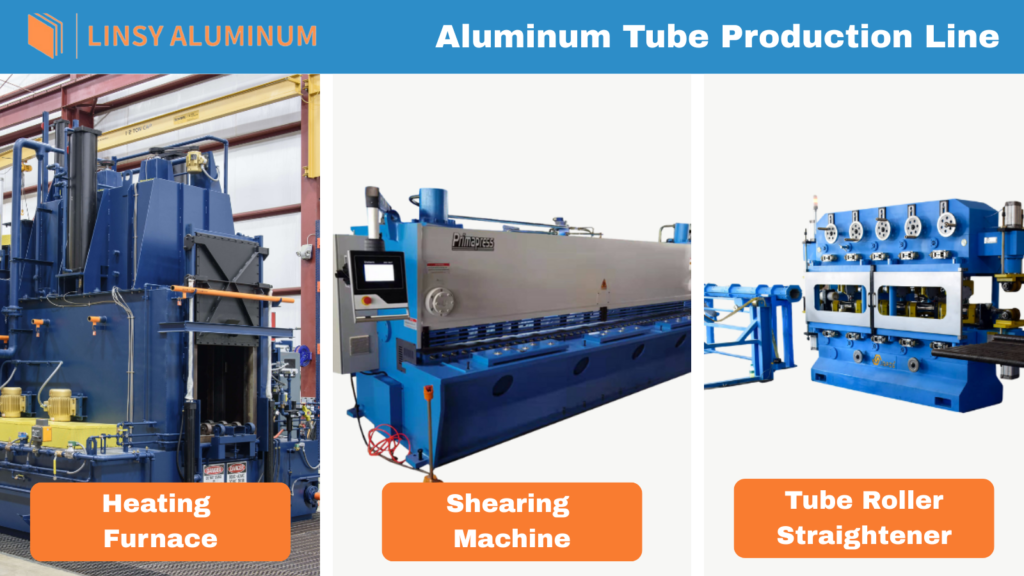
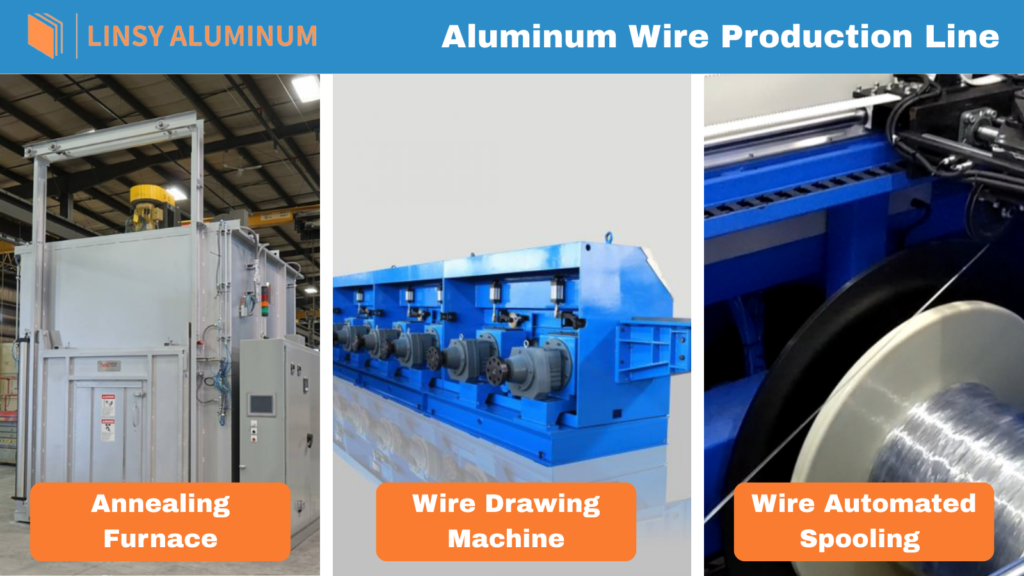
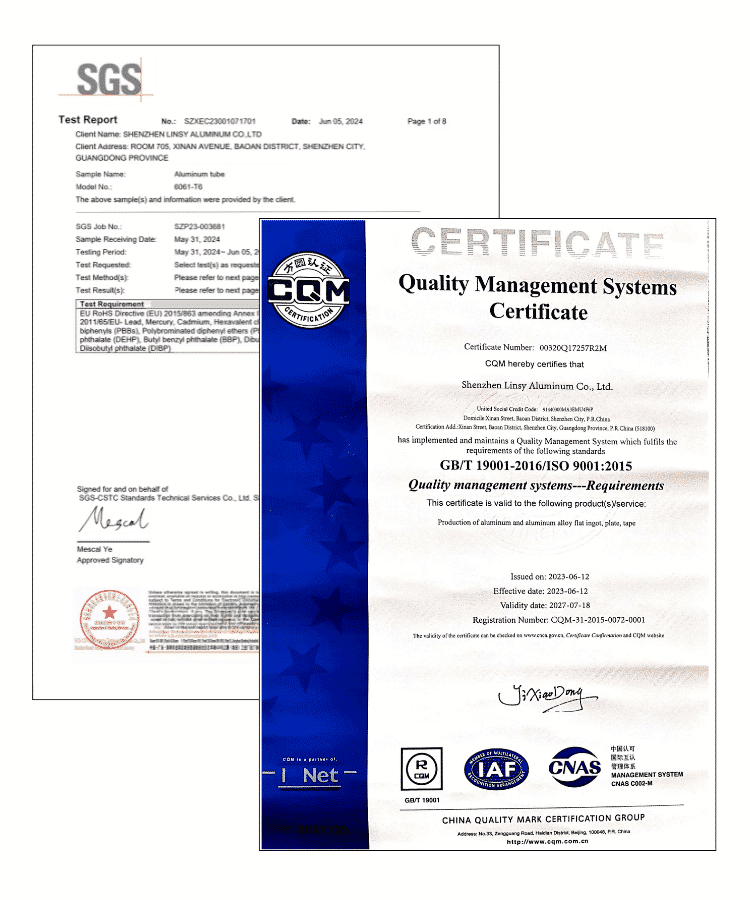
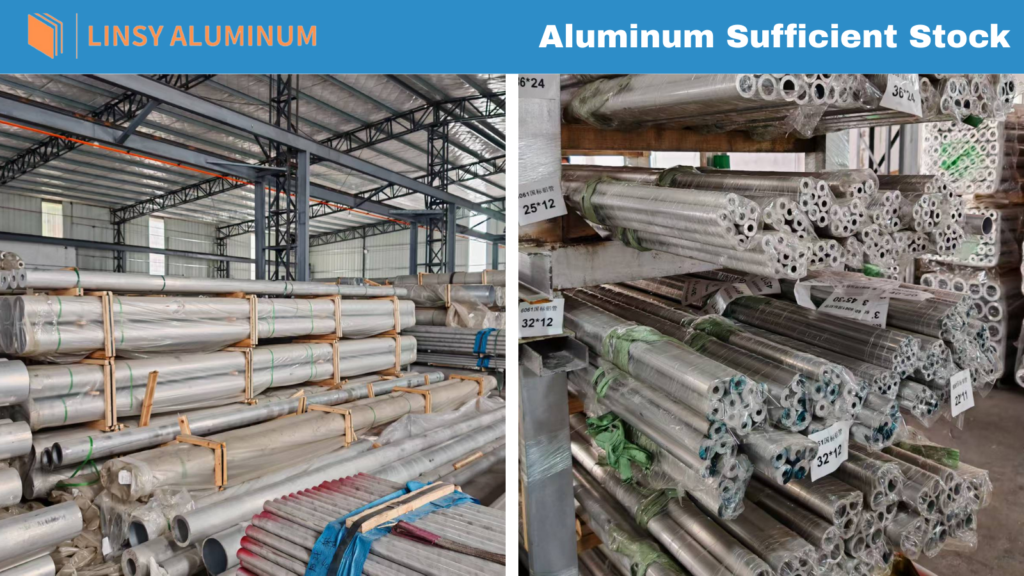
Avantages pour Linsy
Linsy Aluminum est un fournisseur de premier plan de produits de transformation de l'aluminium, au service de diverses industries, notamment l'aérospatiale, l'ingénierie générale, l'automobile, la marine, la construction navale et d'autres applications industrielles spécialisées.
Nous nous engageons à respecter les normes les plus strictes en matière de qualité et de responsabilité environnementale, comme en témoignent nos certifications : ISO 9001:2008, ISO 14001:2004 et SGS.